Beginner Nootropics Guide: 10 Simple Steps To Safely Try Brain Supplements For The First Time

Most people thinking about nootropics are not starting from zero, and with 75% of Americans already using dietary supplements in 2024, beginner-friendly brain support is becoming a very common next step.

In this beginner nootropics guide, we walk through safe first choices, starter stacks, and practical steps so you can test what works for you without guessing or taking unnecessary risks.

Key Takeaways

Question Short Answer
1. What are the safest beginner nootropics to start with? We usually suggest simple, natural options like caffeine + L‑theanine, citicoline, and Bacopa, as outlined in our natural nootropics guide.
2. How do I build a safe beginner stack? Start with 1 to 2 compounds, use conservative doses, and follow a structured plan like the one in our safe beginner nootropic stack guide.
3. Which ingredients actually have research behind them? Citicoline, L‑theanine, Bacopa monnieri, and Ginkgo biloba all have human data, which we break down in our science-backed ingredients overview.
4. Is caffeine + L‑theanine a good first stack? Yes, many beginners start with this combo, and our detailed caffeine + L‑theanine guide covers ratios, timing, and safety.
5. What if I only care about memory? For memory-focused beginners we often point to structured guides like Bacopa for memory and Ginkgo for memory.
6. Where can I see all your products in one place? You can browse our curated range of beginner-friendly and advanced options on our premium nootropics products page.
7. Is this medical advice? No, this guide is educational only, and you should always read our full medical disclaimer and speak with a healthcare professional before using nootropics.

This unique Natural Nootropic Product is designed to address multiple factors necessary to support the normal functioning of memory and concentration.

1. What Are Nootropics, And Should Beginners Even Use Them?

Nootropics are substances that may support cognitive functions such as focus, memory, mental energy, and mood.

In this beginner nootropics guide, we focus on options that have research support, sensible dosing ranges, and relatively low risk profiles when used responsibly.

We encourage you to think of nootropics as one tool within a wider brain health toolkit. Sleep, nutrition, stress management, and physical activity usually have a bigger impact than any capsule, so we treat supplements as additions, not replacements.

  • Cognitive focus: Staying on task, avoiding mental fatigue.
  • Memory support: Learning faster, recalling more easily.
  • Mood and resilience: Handling stress, staying calm but alert.
  • Mental energy: Feeling mentally "switched on" without jittery overstimulation.

For beginners who prefer a pre-assembled formula rather than mixing multiple ingredients from day one, stacks such as the Safe Beginner Nootropic Stack (UK) are typically priced in the $50–75 range, which is enough for a first month of structured experimentation.

2. Building A Safe Beginner Nootropic Stack (Step‑By‑Step)

Our approach is simple: we start with a clear goal and the smallest number of compounds needed to test that goal. If your priority is smoother focus for work or study, we usually suggest a stimulant backbone such as caffeine, paired with calming or neuroprotective support like L‑theanine or citicoline.

A typical safe beginner nootropic stack structure looks like this:

Component Example Compound Beginner Dose Range Main Purpose
Stimulating core Caffeine 50–100 mg Alertness and wakefulness
Calming focus L‑Theanine 100–200 mg Reduce jitters, support concentration
Memory support Citicoline or Bacopa Citicoline 250–500 mg; Bacopa 300–600 mg Longer term memory benefits

We also recommend you run each new stack as a mini‑experiment for at least 2 to 4 weeks, tracking simple metrics like focus rating, productivity, and sleep quality. You can do this in a notebook or an app, but the key is to change only one variable at a time so you can actually tell what helps.

3. Natural Nootropics For Beginners: Where Most People Start

When beginners ask us where to start, we usually point them toward natural nootropics first. These ingredients tend to have longer histories of traditional use, better tolerance for most users, and a slower, more sustainable feel compared with aggressive synthetic stimulants.

Caffeine + L‑Theanine: Classic "Clean Focus" Combo

Caffeine is familiar, but on its own it can cause jitters, anxiety, or a hard crash. Pairing caffeine with L‑theanine, an amino acid from tea, can smooth the entire experience so you get alertness and focus with less tension.

Many beginners test a 2:1 ratio such as 200 mg L‑theanine + 100 mg caffeine once daily in the morning. You can get this by combining coffee or a caffeine capsule with a separate L‑theanine supplement, or by using a pre‑formulated blend that already contains both. Learn more in our complete caffeine + L-theanine guide.

Citicoline: Foundational Brain Nutrient

Citicoline (CDP‑choline) is a choline source that also includes cytidine, which the body can convert to uridine. Together, these support membrane integrity, phospholipid synthesis, and acetylcholine levels, all of which are central to learning and memory.

We usually suggest that beginners interested in citicoline start around 250 mg per day, and only consider higher doses after several weeks of consistent use. Citicoline pairs well with caffeine, racetams, and herbal memory supports, so it fits neatly into many beginner and intermediate stacks.

4. Ingredient Deep Dive: Citicoline, L‑Theanine, Bacopa, And More

Beginners often want to know how individual nootropic ingredients actually work before they try them. We agree with this approach, which is why we maintain a dedicated ingredient guide that focuses on research, mechanisms, and practical dosing.

Citicoline (CDP‑Choline)

Citicoline crosses the blood brain barrier and supports phosphatidylcholine production, which is central to healthy neuron membranes. It also acts as a precursor for acetylcholine, a neurotransmitter heavily involved in learning and memory consolidation.

L‑Theanine

L‑theanine promotes relaxed alertness by influencing alpha brain waves and modulating neurotransmitters such as GABA and glutamate. On its own, many people use 100–200 mg to reduce stress or pre‑sleep overthinking, while in stacks it often appears alongside caffeine for a smoother focus curve.

Bacopa Monnieri

Bacopa is an Ayurvedic herb noted for its gradual memory benefits when taken consistently for 8 to 12 weeks. Standardized extracts around 50% bacosides at 300–600 mg per day are typical in human trials, which is what we usually mirror in our beginner recommendations.

Did You Know?

Ashwagandha use among supplement users reached 8% in 2024, up from just 2% in 2020, showing how quickly interest in natural nootropic herbs is growing.

5. The Caffeine + L‑Theanine Stack: Best Ratios And Timing For Beginners

For many people, the first nootropic stack they ever try is a basic caffeine + L‑theanine combination. We like this combination for beginners because it uses a familiar substance, caffeine, plus a well‑tolerated amino acid that can soften side effects while improving subjective focus.

How The Combo Works

Caffeine blocks adenosine receptors, which temporarily reduces feelings of tiredness and can sharpen alertness. L‑theanine appears to increase alpha brain waves and may help maintain calm concentration, which is useful if caffeine alone tends to make you wired or distracted.

Beginner Dosing Guidelines

A common starting ratio is 2:1 L‑theanine to caffeine, for example 100 mg caffeine + 200 mg L‑theanine. We recommend you start at the lower end of your normal caffeine intake, especially if you already drink coffee or tea, so you avoid stacking too much stimulant on top of your usual routine.

Timing wise, most users take this stack early in the day, typically within the first 1 to 3 hours after waking. Avoiding use late in the afternoon or evening is important, because caffeine can reduce sleep quality even if you fall asleep normally.

6. Bacopa And Ginkgo For Memory: Slow But Powerful Options

Not every beginner is chasing short bursts of focus—many are more interested in long term memory, learning capacity, or age related cognitive support. In that case, we frequently discuss Bacopa monnieri and Ginkgo biloba, which both have human studies behind them and relatively modest side effect profiles for most users.

Bacopa For Memory And Learning

Bacopa appears to support memory acquisition and retention, but it does so gradually rather than overnight. In practice, that means you generally need to take it daily for at least 8 to 12 weeks before you decide whether it is worth keeping in your stack.

Side effects such as digestive discomfort are possible, which is why we often suggest taking Bacopa with food and starting at the lower end of the dose range. Combining Bacopa with a choline source like citicoline is a common memory focused stack structure for both beginners and more advanced users.

Ginkgo Biloba For Circulation And Cognitive Support

Standardized Ginkgo biloba extracts such as EGb 761, often defined as 24% flavonoids and 6% terpenes, have been studied for memory and circulation support, particularly in older adults. Typical daily doses in research settings are 120–240 mg for 8 to 12 weeks, and quality matters because many cheap extracts are poorly standardized.

7. Ready‑Made Beginner Stacks: When A Pre‑Built Formula Makes Sense

Some beginners enjoy building stacks ingredient by ingredient, others prefer a well‑designed formula they can test with minimal complexity. This is where comprehensive products such as NEUROZOOM or broader ranges of herbal and synthetic options can help, provided you still read labels carefully and respect dosing guidelines.

NEUROZOOM And CogniSurge

NEUROZOOM is described as a 35‑in‑1 memory essential formula, which means it combines multiple vitamins, minerals, and nootropic ingredients into a single supplement. For beginners, formulas like this are convenient but should still be introduced cautiously, ideally as the only new supplement during a given test period so you can evaluate the response.

CogniSurge is positioned as a premium cognitive support blend that targets focus and memory through a curated mix of nootropic compounds. We typically suggest that users considering formulas like these compare their ingredient panels against any existing supplements they already take to avoid double dosing certain nutrients.

Beginner tip: whether you use single ingredients or a blend, change only one nootropic "slot" at a time so you can clearly see cause and effect. Learn more about tracking in our self-experimentation guide.

8. Synthetic And Research‑Grade Nootropics: Why Beginners Should Be Cautious

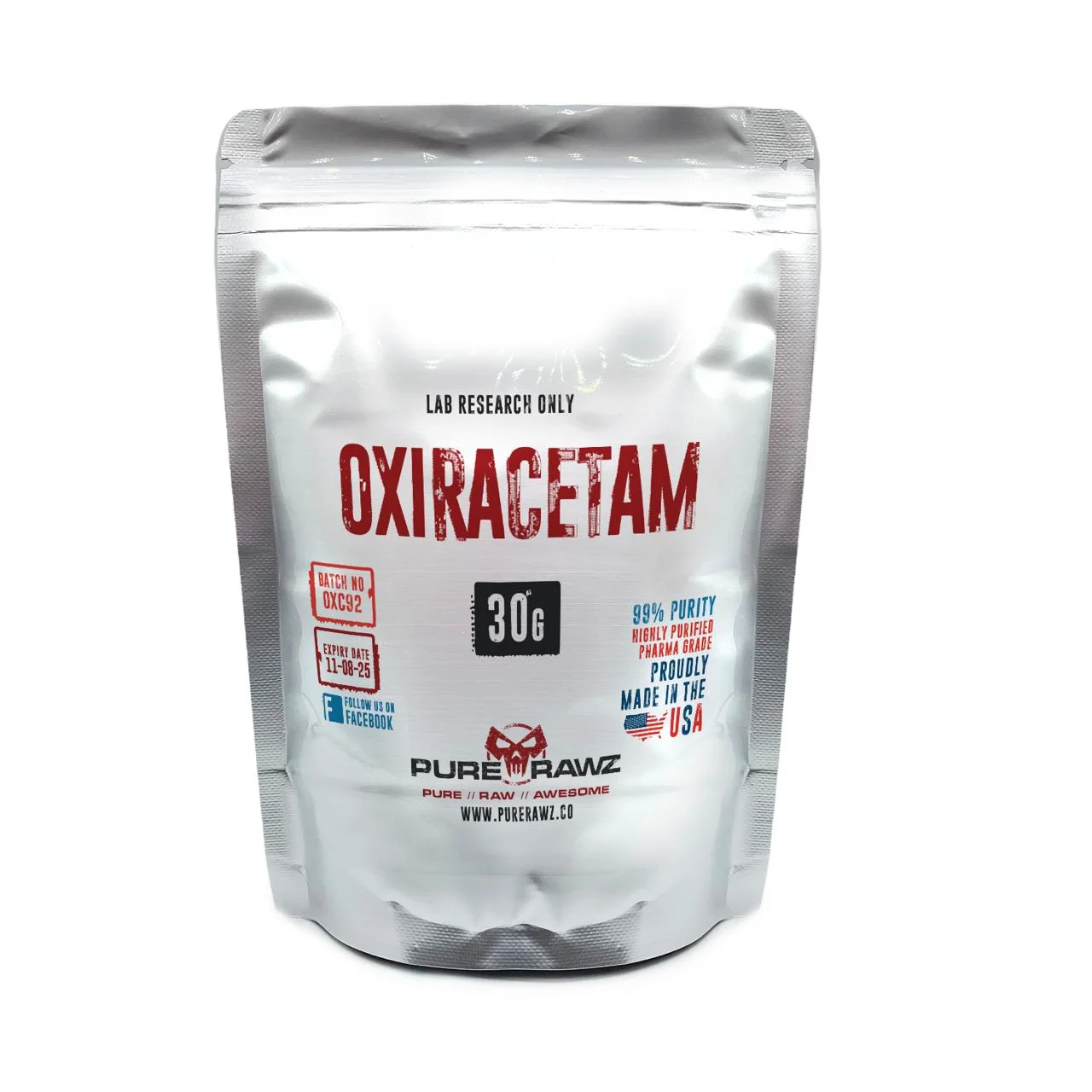
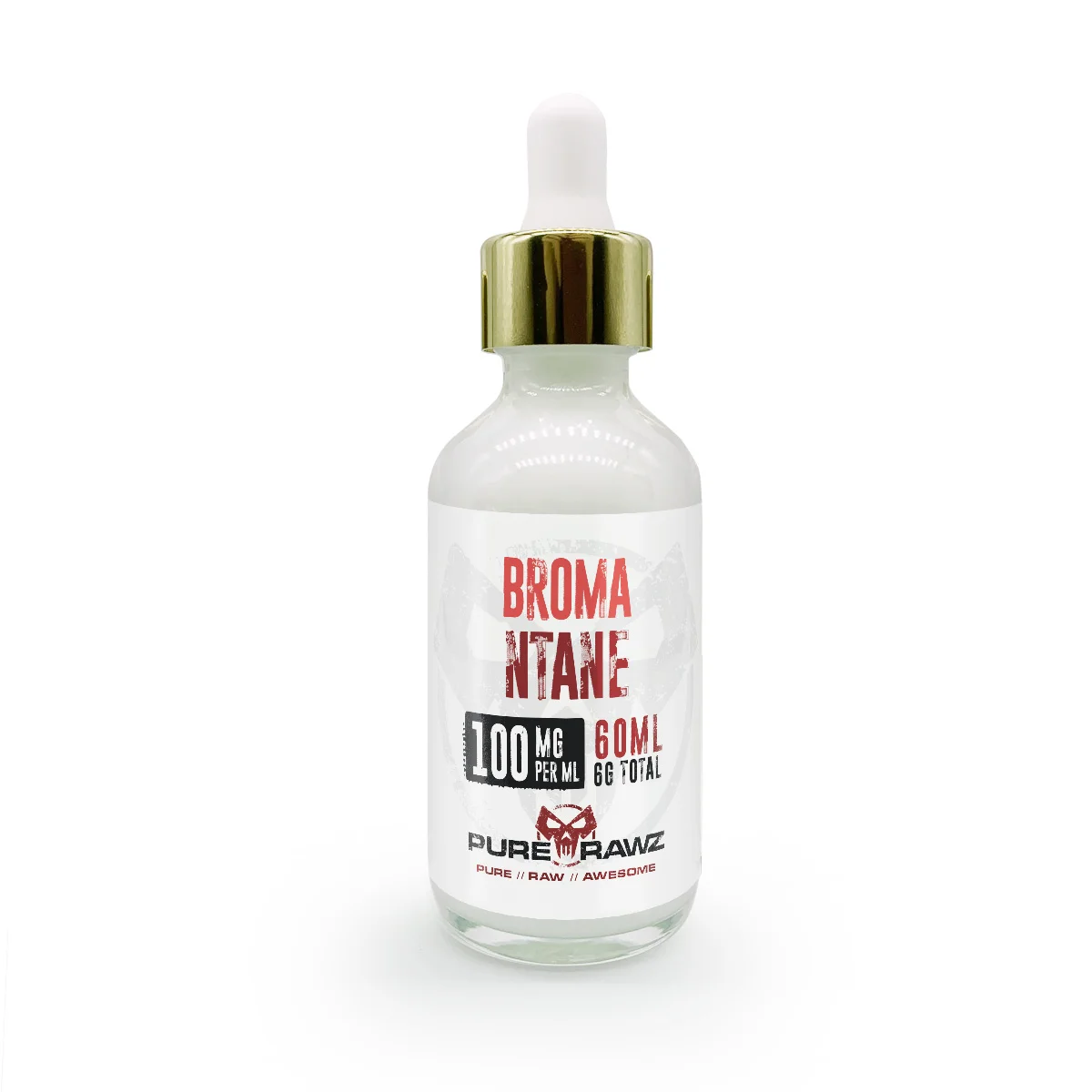
Beyond natural options, there is a large world of synthetic or research grade nootropics such as Oxiracetam, Bromantane, Noopept, and others. These can offer powerful effects, but they also introduce more uncertainty around long term safety, legality, and individual tolerance, which is why we usually tell beginners to start elsewhere.

Examples You May Encounter

  • Oxiracetam: A racetam nootropic associated with learning and memory, often stacked with choline sources.
  • Bromantane: A research compound noted for mental energy and resilience effects.
  • Noopept: A fast acting peptide derivative used in very small doses for focus and memory.
  • Methylene Blue, FLModafinil, Phenibut HCL, 9‑Me‑BC: Each with distinct mechanisms and risk profiles that require careful research.

For beginners, the main priority is not maximum intensity, it is predictable, manageable responses and long term health. We therefore advise that you fully understand natural stacks, your own baseline, and your response to milder compounds before you even consider any of these options.

Did You Know?

42% of supplement users say their main motivation is overall health and wellness, which matches why so many beginners look at nootropics as part of a broader cognitive-health strategy rather than a quick fix.

9. How To Measure Results From A Beginner Nootropic Stack

A beginner nootropics guide is not complete without a simple way to assess whether what you are doing actually helps. We encourage you to think like a self‑experimenter, using basic tracking tools instead of relying only on vague impressions. Learn more in our detailed self-experimentation guide.

Set Clear Outcomes

First, decide your main outcome, for example "maintain deep focus for 2 hours of work without checking my phone" or "remember more of what I read." Then, rate that outcome daily on a 1 to 10 scale, along with notes about sleep quantity, stress level, and what you took that day.

Use Simple Before‑And‑After Comparisons

Run at least one week with no new supplements as your baseline, then 2 to 4 weeks with your beginner stack. Compare average scores, but also ask whether any side effects appeared, such as irritability, headaches, digestive discomfort, or sleep disruption. If side effects show up, lower the dose or remove compounds until you feel stable again, then reassess whether that stack makes sense for you.

Focus
Track Duration
Clarity
Rate 1-10
Memory
Test Recall
Mood
Monitor Daily

10. Safety, Quality, And When To Talk To A Professional

Safety is the most important part of any beginner nootropics guide, because even natural compounds can interact with medications or existing health conditions. Our content is educational and cannot replace medical advice, so we always encourage you to discuss supplements with a qualified professional who understands your history.

Core Safety Principles For Beginners

  • Start low, go slow: Begin at the lower end of dosage ranges and only increase if you feel fine for at least a week.
  • Add one thing at a time: Avoid introducing multiple new supplements at once, which makes side effects harder to trace.
  • Protect your sleep: Poor sleep wipes out many of the potential benefits of nootropics and makes side effects more likely. Read our sleep for focus guide.
  • Watch for interactions: If you use medications, especially for blood pressure, mood, or neurological conditions, get clearance from your clinician.

Choosing Quality Products

Look for brands that use standardized herbal extracts, disclose exact ingredient amounts, and ideally support their claims with references to human research. Third party testing, batch numbers, and transparent customer support are also good signs when you are selecting your first stack. Check our quality supplier directory for trusted sources.

Conclusion

As interest in cognitive support keeps growing, more beginners are turning to nootropics to support focus, memory, and long term brain health.

Our view is simple: start with clear goals, rely on evidence based ingredients, use conservative dosing, and track your response as carefully as you would track a training program.

Natural options like caffeine + L‑theanine, citicoline, Bacopa, and Ginkgo give most newcomers plenty of room to explore without jumping straight into complex synthetic compounds.

By treating each stack as an experiment, paying attention to sleep, nutrition, and stress, and consulting with a health professional when needed, you can approach nootropics in a way that is structured, cautious, and genuinely informative.

Ready To Start Your Nootropic Journey?

Explore our comprehensive guides and find the perfect stack for your cognitive goals.