Herbal supplements are no longer niche, with US herbal supplement sales hitting $13.23 billion in 2024, yet most people still have only a surface‑level understanding of what specific herbs do in the brain. In this guide, we walk through herbal ingredient deep dives so you can understand mechanisms, efficacy, and safety instead of guessing from marketing labels.
| Question | Evidence‑based takeaway |
|---|---|
| 1. What are herbal nootropic ingredients? | They are plant‑derived compounds that influence neurotransmitters, inflammation, blood flow, or brain structure to support cognition. For a broader context, see our overview what nootropics actually are and how they work. |
| 2. Which herbs have the strongest data for memory and focus? | Bacopa, citicoline‑containing formulas, Panax ginseng, L‑Theanine, and selected adaptogens stand out in clinical research. We highlight them in detail throughout this article and in our guide to the best natural nootropics for cognition. |
| 3. How long until herbal nootropics start working? | Some act within 30–60 minutes (for example L‑Theanine), while others such as Bacopa typically need 8–12 weeks of consistent use. Our advice is to avoid judging an ingredient before a full trial window, which we also emphasize in our practical beginner‑friendly stacking guide. |
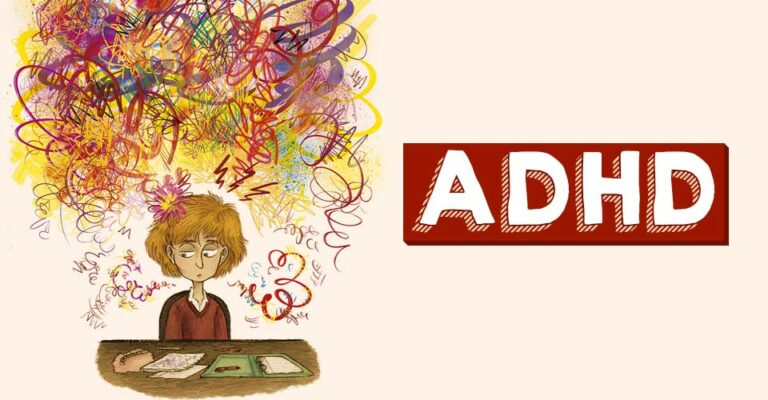
| 4. Can herbs help with attention and ADHD‑like symptoms? | Some natural nootropics, including Bacopa, Rhodiola, and L‑Theanine, show promising but modest benefits for attention and emotional regulation. We review these in depth in our guide to natural nootropics that may support ADHD‑related symptoms. |
| 5. Is safety a real concern with "natural" herbs? | Yes. Herbal does not automatically mean safe. Some herbs interact with medications or are frequently adulterated. We cover risk management principles in our nootropic side effects and safety guide. |
| 6. Where can I keep learning about new herbal ingredients? | We regularly publish ingredient deep dives, timing strategies, and real‑world testing notes on our Herbal Nootropics research blog. |
| 7. What is the smartest way to start? | Test one ingredient at a time, track your response, and combine only after 2–3 weeks of individual evaluation. For a ready‑made starting point, see our practical sleep‑focused stack guide that shows how we design stacks around mechanisms and safety. |
Most people meet herbal nootropics through glossy product pages, not mechanistic explanations. We take the opposite route and start with ingredients, because once you understand mechanisms and active constituents, product labels become much easier to evaluate. Herbal ingredient deep dives focus on four pillars: mechanism, efficacy, dosage, and safety. When we test a new herb ourselves, we document timing, interactions with caffeine or sleep, and any side effects, and we cross‑check that against clinical data. A quick reality check is also essential. A 2024 adulteration review found worryingly high mislabeling rates in some botanicals, which means quality and third‑party testing are not optional extras but core to getting the effects you are reading about.
Citicoline is technically a semi‑synthetic nutrient, but it sits at the heart of many "herbal" brain formulas because it complements plant extracts that modulate blood flow and stress. We include it here because our own testing and the literature show consistent support for attention, mental energy, and long‑term brain health. Mechanistically, citicoline supplies choline for acetylcholine (the key neurotransmitter for memory and focus) and supports phosphatidylcholine synthesis for neuronal membranes. Typical research doses range from 250 to 500 mg per day, often split into morning and early afternoon. In a Harvard‑linked study cited in our ingredient database, adults taking citicoline showed measurable improvements in concentration and mental energy over several weeks. We usually notice a clear but clean lift in focus around the 7 to 10 day mark, not a stimulant‑like jolt on day one. Safety wise, citicoline is generally well tolerated, with mild headaches or digestive upset reported in a minority of users at higher doses. We suggest avoiding late‑evening dosing, especially if you are sensitive to mental stimulation close to bedtime.
L‑Theanine is an amino acid naturally present in green tea leaves that has become a cornerstone in both daytime focus stacks and sleep‑support formulas. We like it because the mechanism is clear, the human data is solid, and side effects are minimal at standard doses. Mechanistically, L‑Theanine modulates GABA, glutamate, dopamine, and serotonin, and increases alpha brain waves associated with relaxed attention. Most studies and our own testing converge around 100 to 200 mg as a sweet spot for focus without sedation. In combination with caffeine, the data consistently shows improved attention, reduced jitter, and better task accuracy compared to caffeine alone. Our dedicated L‑Theanine focus guide dives into specific dosing strategies for deep work, meetings, and late‑day use. Timing is straightforward. Taken on an empty stomach, L‑Theanine usually starts working within 30 to 45 minutes and lasts 3 to 5 hours, which is why many people take it right before work or study blocks.
A 2:1 ratio of L‑Theanine to caffeine, such as 200 mg L‑Theanine with 100 mg caffeine, is well supported in the literature. In our experience, this combination works particularly well for tasks requiring sustained focus without hyper‑arousal, such as writing, coding, or long calls. Our UK‑specific guide to the caffeine‑L‑Theanine stack explains how to time doses around work, sleep, and regulatory limits. We strongly recommend avoiding this combo within 8 hours of planned sleep if you already struggle with insomnia.
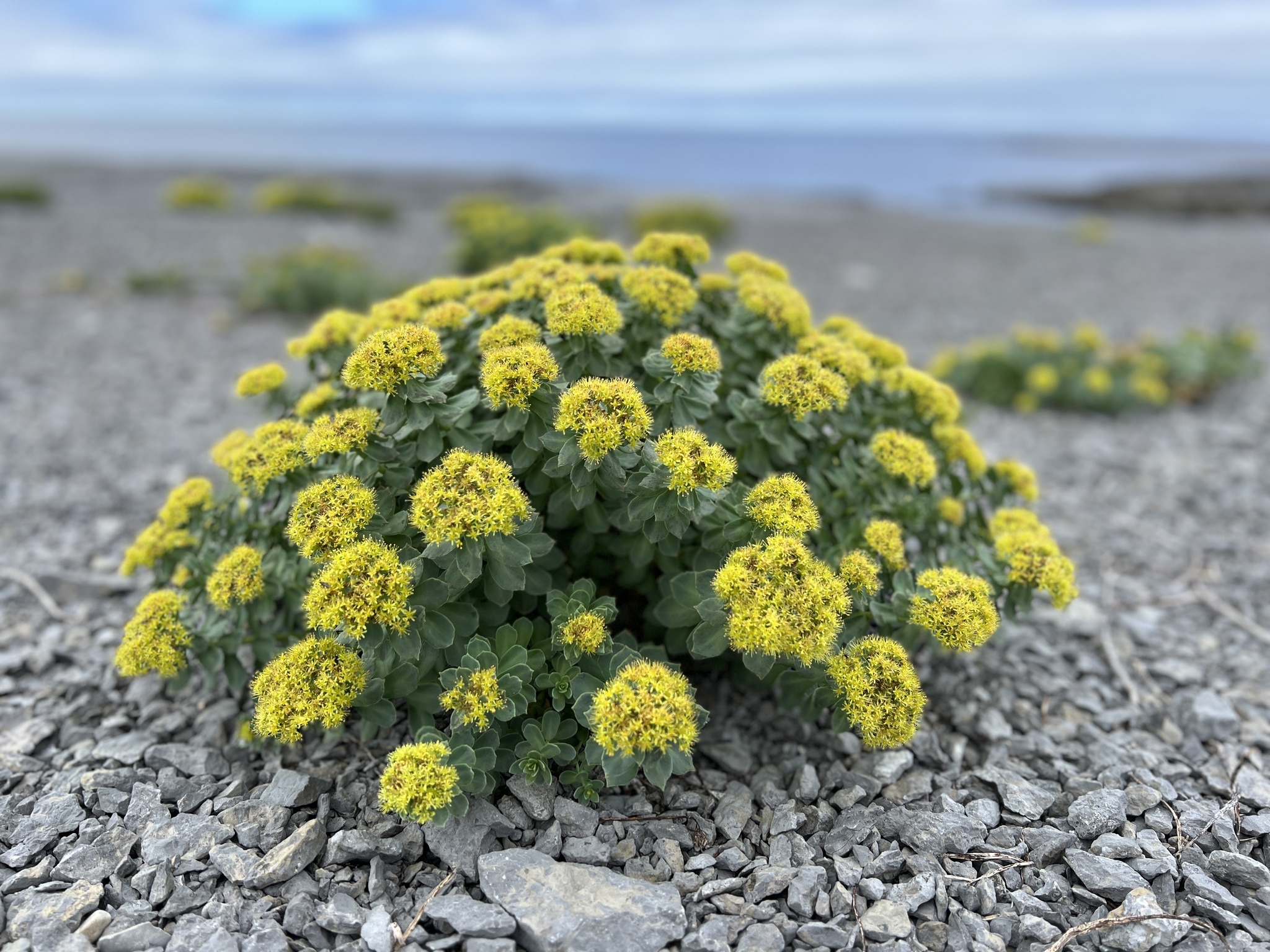
A visual overview of five key herbal ingredients and their standout uses.
Did You Know?
Among 2024 growth, algae (131.7%), mullein (45.1%), moringa (39.2%), milk thistle (33.9%), rhodiola (30.4%), and chaga (23.6%) stood out as notable gains.
Bacopa monnieri, also known as Brahmi, is one of the most researched herbal nootropics for memory. We consider it a "foundational" ingredient if your main goal is learning, exam preparation, or age‑related cognitive maintenance. The active compounds, bacosides, appear to support synaptic plasticity, antioxidant defenses, and possibly acetylcholine regulation. Our detailed Bacopa for memory guide summarizes clinical trials where standardized extracts improved recall, information processing, and anxiety scores. A practical dosage range for adults is 300 to 600 mg daily of a 50 percent bacoside extract, ideally taken with food to reduce digestive upset. The catch is timing, because most benefits show up after 8 to 12 weeks, not 8 to 12 days. We have had testers almost quit at week six because "nothing was happening", only to notice smoother recall and less mental fatigue by week ten. If you choose Bacopa, treat it as a multi‑month experiment and document changes in memory, sleep, and mood.
Compared with fast‑acting compounds like caffeine or Rhodiola, Bacopa feels "quiet" in the short term but more durable over months. We usually do not pair it with other new memory agents initially so that any cognitive change is easier to attribute. Side effects are typically mild digestive discomfort or vivid dreaming, especially at higher doses or when taken without food. If you are sensitive, starting at half the standard dose for the first two weeks often helps.
Adaptogens are herbs that help the body adapt to physical and emotional stressors while nudging multiple systems toward balance rather than one extreme. Rhodiola rosea, Panax ginseng, and ashwagandha are among the most studied in this group for cognition. Rhodiola appears to influence stress‑related neurotransmitters and might reduce fatigue and improve cognitive performance under pressure. We usually recommend keeping doses modest (for example 100 to 200 mg of standardized extract) and cycling 6 weeks on, 2 weeks off. Panax ginseng shows evidence for modest improvements in working memory, reaction time, and subjective calm, especially in stress‑prone individuals. In our own trials, ginseng feels helpful but clearly benefits from cycling, since some users report tolerance or disrupted sleep with continuous high dosing. Ashwagandha sits at the intersection of stress, sleep, and cognition. Given that ashwagandha products reached roughly $165.7 million in 2024, it is clearly on many people's radar, but we still urge careful attention to extract type and independent lab reports.
Nervines such as chamomile, lemon balm, and passionflower primarily calm the nervous system. Adaptogens like Rhodiola and ginseng modulate stress response more broadly, which can indirectly improve focus and resilience. When we build a daytime stack for someone prone to anxiety and distraction, we often combine a low‑dose adaptogen with a gentle nervine. Our guide on natural options for ADHD‑type symptoms explains how we approach this for attention and emotional regulation.
No cognitive stack compensates for chronic sleep restriction. Instead of fighting biology with more stimulants, we prefer to build a simple sleep‑supporting protocol that makes next‑day focus easier. Our sleep nootropic stack guide centers around magnesium glycinate, L‑Theanine, and glycine. Magnesium supports relaxation and sleep architecture, L‑Theanine reduces pre‑sleep mental chatter, and glycine may improve sleep onset and deep sleep. We use a 90–60–30 minute timing strategy before bedtime in many protocols:
When combined with dark evenings, reduced screen exposure, and consistent wake times, this simple setup often yields more "mental bandwidth" the next day than any stimulant. If you already take daytime L‑Theanine, remember to count total daily intake when adding it to a sleep routine.
Herbal nootropics are not replacements for prescribed ADHD medications, but some ingredients can support attention, emotional regulation, and sleep, which often indirectly improves function. We see the best results when people view herbs as part of a broader strategy that includes structure, exercise, and sleep hygiene. In our guide to natural nootropics for ADHD‑like symptoms, we focus on Bacopa, L‑Theanine, Rhodiola, and magnesium. Bacopa can support working memory over months, L‑Theanine can smooth anxious overthinking, and Rhodiola may help with fatigue and stress‑driven distraction. We also emphasize nervous system nourishment with nervines and adaptogens rather than just "more stimulation". Often, people with attentional issues are already over‑stimulated in some ways and under‑recovered in others. Safety is particularly important here, because combining herbs with stimulant medications or antidepressants can increase the risk of interactions. We always recommend discussing any new ingredient with a clinician who understands both your medication history and your supplement plans.
Did You Know?
A 2024 Ipsos-based CRN survey indicates 75% of Americans continue to use dietary supplements, with high trust in safety and efficacy and a strong emphasis on personalization in regimens.
Ingredient‑level deep dives only help if the product in your hand actually contains what the label claims. Unfortunately, not every manufacturer meets that bar. A 2024 BAPP adulteration paper documented substantial mislabeling in several popular botanicals, including ginkgo and turmeric. This is one reason we talk so much about supplier reputation, third‑party testing, and transparent certificates of analysis. When we assess a herbal product, we look for:
We also encourage you to test one ingredient at a time for at least 2 to 3 weeks, which makes it much easier to spot both benefits and side effects. Complex stacks are tempting, but they can hide which component is actually doing the work.
Once you understand individual herbs, building a stack becomes a question of combining complementary mechanisms rather than throwing everything into a capsule. We always start by asking what specific domain you care about most: memory, focus, stress resilience, or sleep. Here is a simple example stack structure using ingredients discussed above:
| Goal | Core herbs / nutrients | Timing notes |
|---|---|---|
| Deep work focus | L‑Theanine + moderate caffeine, optional Rhodiola | 30–45 minutes before work block |
| Long‑term memory | Bacopa + citicoline | Daily with food for 8–12 weeks |
| Stressful periods | Low‑dose adaptogen (Rhodiola or ginseng) + nervine | Morning or midday, avoid close to bedtime |
| Sleep‑linked cognition | Magnesium glycinate + evening L‑Theanine + glycine | 90–30 minutes before sleep |
Our beginner stack guide walks through similar structures with UK‑specific examples. Regardless of geography, the principle is the same: start simple, track data, then adjust one variable at a time.
Nootropics, herbal or otherwise, sit on top of your basic health foundations. They do not fix poor sleep, chronic stress, nutrient‑poor diets, or completely sedentary lifestyles. Our own rule of thumb is that a well‑chosen supplement regime might yield a 10 to 30 percent improvement in specific cognitive domains over 8 to 12 weeks. Lifestyle interventions such as sleep regularity, exercise, and cognitive training often produce similar or larger gains, but they require more effort. We like to integrate herbal ingredients into a broader plan that looks like this:
If you prefer ready‑made formulations, our product collection showcases how we apply these principles in practice. We design around evidence, conservative dosing, and clear communication rather than promising miracles.
Herbal ingredient deep dives move you from brand‑driven decisions to mechanism‑driven choices. Once you understand how citicoline builds membranes, how L‑Theanine shapes brain waves, or how Bacopa alters memory over months, you can evaluate any formula with a critical eye. Our perspective is simple. Start with foundations, choose a small number of well‑researched herbs aligned with your goals, and give each a fair trial window while tracking your response.
Use our ingredient hub at HerbalNootropics.life/ingredients and the broader blog to go deeper on specific compounds as your curiosity grows.
As always, this information is educational only and not medical advice, so involve your healthcare professional when combining herbs with medications or complex health histories.