Evidence-Based Review · Updated 2026

Ashwagandha for Cognition and Stress:
What the Evidence Actually Shows

An evidence-based guide to how ashwagandha (Withania somnifera) affects the stress response and cognitive performance — including the nuances most articles leave out.

Quick Answer

Ashwagandha reliably lowers the stress hormone cortisol — clinical trials show reductions of roughly 11–33% over 30–90 days, with most landing in the 14–28% range. Its effects on cognition (memory, attention, executive function) are real but more modest, and the best current evidence suggests they are largely a downstream consequence of reduced stress rather than a direct "smart-drug" action on the brain. Standardised root extracts (KSM-66, Sensoril) at 300–600 mg/day for at least 8 weeks are what the research supports. It is generally well tolerated for up to about three months, but it is not suitable for everyone — pregnancy, thyroid disease, autoimmune conditions and certain medications are firm cautions.

Cortisol reduction is the strongest finding, not cognitive enhancement
Cortisol and felt stress don't always move together
Cognitive benefits are best documented for memory, attention & executive function
Form matters: root-only extracts carry lower theoretical liver risk
Paracetamol interaction: a genuine, under-reported safety concern
Timeline: most feel nothing weeks 1–2; peak effects at weeks 8–12
1

What the science is actually measuring

Most articles blur two separate questions into one. It is worth pulling them apart:

Stress Reduction

Measured objectively through serum cortisol, and subjectively through validated questionnaires like the Perceived Stress Scale (PSS) and the Hamilton Anxiety Rating Scale (HAM-A).

Serum Cortisol PSS Scale HAM-A

Cognitive Effects

Measured through tests of memory (episodic and working), attention, reaction time, executive function and information processing speed.

Working Memory Attention Executive Function

Key insight: These are related but not identical. Ashwagandha performs strongly on one objective stress marker while the picture for how stressed people feel — and for cognition — is more textured. Keeping the two apart is the single most useful habit when reading the literature.

2

How ashwagandha works: the HPA axis and withanolides

Ashwagandha's active compounds are withanolides — a family of steroidal lactones that includes withaferin A, withanolide A, and the sitoindosides. They act on several targets at once, which is why the herb is classed as an adaptogen (a substance that helps the body normalise its stress response rather than simply sedating or stimulating).

The central pathway is the hypothalamic–pituitary–adrenal (HPA) axis — the hormonal cascade that governs cortisol release:

HPA Axis & Where Withanolides Act

STRESS SIGNAL
HYPOTHALAMUS
Releases CRH →
✕ Dampen CRH
PITUITARY GLAND
Releases ACTH →
ADRENAL GLANDS
Release CORTISOL →
CORTISOL
Negative Feedback (Glucocorticoid Sensitivity) — Restored by Withanolides

GABA-A Potentiation

The same receptor family targeted by benzodiazepines, but without dependence. Helps explain the calming and sleep-supportive effects. The species name somnifera literally means "sleep-inducing".

Steroid Hormone Similarity

Withanolides are structurally similar to human steroid hormones, which is why the herb can nudge thyroid and reproductive hormones — a double-edged property covered in the safety section.

NF-κB Inhibition

Anti-inflammatory pathway. Withanolides inhibit NF-κB and activate Nrf2, producing antioxidant and anti-inflammatory effects that complement the HPA-axis action.

Adaptogenic Action

Multi-target action across the HPA axis, GABA system, and inflammatory pathways classifies ashwagandha as a true adaptogen — normalising the stress response rather than simply sedating or stimulating.

3

The stress evidence: cortisol reductions

This is where ashwagandha's evidence is strongest. Multiple randomised, double-blind, placebo-controlled trials have measured serum cortisol directly rather than relying only on self-report.

Landmark Cortisol Trials

Study Extract & Dose Duration Serum Cortisol Change
Chandrasekhar et al., 2012 KSM-66, 300 mg × 2/day 60 days −27.9%
Auddy et al., 2008 Sensoril, 125 mg/day 60 days −24.2%
Salve/Lopresti et al., 2019 KSM-66, 240–600 mg/day 60 days Significant reduction in morning cortisol

Pooled Meta-Analytic Findings

Meta-Analysis Studies / n Key Stress Outcomes
2024 Systematic Review (9 RCTs) 558 patients PSS −4.72; HAM-A −2.19; serum cortisol −2.58 µg/dL
Albalawi et al., 2025 ("Dual Impact") 7 cortisol / 6 PSS studies; n = 488 Cortisol −1.16 µg/dL (p < 0.001); perceived stress not significant

Approximate Serum Cortisol Reduction vs Placebo (%), Selected Trials

0%10%20%30%
Chandrasekhar 2012
27.9%
Auddy 2008
24.2%
Typical Range
14–28%
Lower-Bound Trials
~11%

The consistency here is the point. For a botanical supplement, a directly measured hormonal biomarker moving reproducibly across independent trials is unusual and clinically meaningful.

4

The nuance competitors miss: cortisol falls — but does felt stress?

Here is the finding that top-ranking articles almost universally skip. In 2025, a systematic review and meta-analysis (Albalawi et al.) deliberately separated the two questions and found a striking dissociation:

Serum Cortisol

−1.16 µg/dL

p < 0.001 — Statistically significant

Perceived Stress (PSS)

Not Significant

SMD −0.355, p = 0.40

These two findings came from the SAME meta-analysis. This does not mean ashwagandha "doesn't work" — several other meta-analyses (2024 review, Akhgarjand et al., 2022) do find significant PSS improvements. But the conflicting results tell you something important.

The Key Insight

Lowering the hormone and changing the subjective experience of stress are not guaranteed to be the same thing. Individual response varies widely, and the biomarker is more reliable than the feeling.

Practically, this means two people can both show a textbook cortisol drop while only one feels calmer. If you try ashwagandha, judge it on how you actually feel and function over 8+ weeks — not on the assumption that a lab number automatically translates to lived experience.

5

The cognitive evidence

Cognitive research is younger and smaller than the stress research, but it is growing and increasingly positive.

Study Population Extract & Dose Cognitive Findings
Choudhary et al., 2017 Adults with mild cognitive impairment KSM-66, 300 mg × 2/day, 8 wks Improved memory, executive function, attention, processing speed
Leonard et al., 2024 (Nutrients) Healthy young adults Liposomal ashwagandha, 225 mg, acute + 30 days Improved memory, attention, vigilance, executive function; reduced tension and fatigue
Lopresti et al., 2024 (J. Psychoactive Drugs) Adults with cognitive/energy/mood complaints Root extract, 6 months Episodic memory (p = .026), working memory (p = .027), attention accuracy (p < .001)

The domains that come up repeatedly: episodic memory, working memory, attention and executive function. The 2024 Nutrients trial is notable for showing benefits in healthy young adults, not just clinical or elderly populations — and even for showing some acute (same-day) effects.

6

Is ashwagandha really a "nootropic"?

This is the honest, differentiating question — and the answer requires care.

The Most Defensible Interpretation

Ashwagandha's cognitive benefits are largely secondary to its stress- and sleep-related effects, rather than a direct nootropic action on memory circuits. Chronic stress and elevated cortisol measurably impair attention, working memory and executive function; by recalibrating the HPA axis, improving sleep and lowering inflammation, ashwagandha removes a drag on cognition rather than acting as a direct cognitive accelerant.

Ashwagandha IS for you if:

  • Your cognitive complaints stem from stress, poor sleep, burnout or anxiety
  • You want evidence-supported, gradual, sustainable improvement
  • You are willing to commit to 8+ weeks

Ashwagandha is NOT for you if:

  • You are well-rested, low-stress and expecting a stimulant-like "boost"
  • You need immediate, same-day cognitive enhancement
  • You have thyroid/autoimmune conditions (see safety section)

Two Caveats Keep This Honest

  • Much of the cognitive literature is short-term and industry-funded, so independent replication in larger, longer trials is still needed.
  • "Secondary" does not mean "unimportant" — for the large number of people whose cognition is throttled by chronic stress, an indirect mechanism can still produce a very real, felt improvement.
7

Dosing, forms and timing

Not all ashwagandha is equivalent. The withanolide concentration of raw powder can range from under 1% to over 4% depending on soil, harvest and processing — which makes generic bulk powder unpredictable. Standardised extracts solve this.

Feature KSM-66 Sensoril Shoden
Plant Part Root Only Root + Leaf Root + Leaf
Withanolides ~5% ~10% ~35%
Typical Dose 300–600 mg/day 125–250 mg/day 120 mg/day
Best-Evidenced For Stress, cortisol, cognition, testosterone (men) Sleep, relaxation, anxiety Sleep
Clinical Trials ~24–30 RCTs ~15 RCTs Fewer
Liver-Safety Note Lower Risk — Low withaferin A (root only) Caution — Higher withaferin A (leaf) Caution — Higher withaferin A (leaf)

Practical Guidance

For stress & cognition

300–600 mg/day of a root extract standardised to at least 5% withanolides is the best-supported protocol.

Timing

Consistency matters more than clock time. Morning dosing suits daytime stress; evening (often Sensoril) suits sleep. Split dosing (300 mg AM + 300 mg PM) matches many clinical protocols.

With food

Improves tolerability and reduces the mild GI upset some people report.

Verify standardisation

Independent testing has found some products deliver well under their labelled withanolide content. Look for a Certificate of Analysis or third-party testing.

8

How long until it works?

Ashwagandha is not an acute intervention. Its mechanism — recalibrating the HPA axis — takes weeks.

Expected Timeline of Effects

0

Week 0

Start

1-2

Weeks 1–2

"Nothing"

No noticeable change

3-4

Weeks 3–4

First Subtle Signs

Calming / sleep changes

6-8

Weeks 6–8

Cortisol Measurable

Cognition builds

8-12

Weeks 8–12

Peak Effects

Stress, sleep & cognition

If you're going to trial it, commit to at least 8 weeks before judging. Abandoning it at day 10 because "nothing happened" is the most common way people wrongly conclude it doesn't work.

9

Safety, the paracetamol interaction, and who should avoid it

Ashwagandha is generally well tolerated for up to about three months, with mild gastrointestinal upset the most common complaint. But the "natural = harmless" framing is wrong, and here are the points that deserve genuine attention.

Rare Liver Injury — and a UK-Relevant Interaction

There are documented (though rare) case reports of ashwagandha-associated liver injury. The mechanism appears to involve withanone and withaferin A (both concentrated in the leaf), which can deplete glutathione, the liver's key protective antioxidant.

The Paracetamol Connection

Paracetamol (acetaminophen) is detoxified through the same glutathione pathway. In theory, combining high-dose ashwagandha with regular paracetamol could place additive strain on the liver. Given how routinely paracetamol is taken in the UK, this is a sensible interaction to be aware of — and a strong argument for choosing root-only extracts (KSM-66), which contain negligible withaferin A. Statins and other liver-metabolised drugs warrant the same caution.

Thyroid — A Double-Edged Effect

Ashwagandha can raise T3 and T4 and lower TSH. That may be beneficial in subclinical hypothyroidism, but it is a real risk in hyperthyroidism or Graves' disease, and it can interfere with thyroid medication dosing.

Who Should Avoid It or Seek Medical Advice First

Pregnancy — firm contraindication; traditional texts describe it as uterotonic/abortifacient
Breastfeeding — insufficient safety data
Autoimmune conditions — may stimulate immune activity (lupus, RA, MS)
Before surgery — discontinue ~2 weeks prior (CNS/sedative effects)
Hormone-sensitive prostate cancer — may raise testosterone
Medication interactions — sedatives, anticonvulsants, immunosuppressants, thyroid, diabetes & BP meds

This article is for information only and is not medical advice. If you take prescription medication or have a health condition, speak to your GP or pharmacist before starting ashwagandha.

10

The regulatory picture (UK and EU)

🇬🇧

United Kingdom

Ashwagandha is sold in the UK as a food supplement, not a licensed medicine, so it is not assessed for efficacy the way a drug would be. It remains widely available in health food shops and online retailers.

🇪🇺

European Union

The wider European picture is shifting. Denmark has banned ashwagandha following a national risk assessment that flagged potential thyroid and reproductive effects, and other EU member states have signalled they were influenced by that decision.

What This Means

Regulatory scrutiny is likely to increase as liver-injury case reports are more widely cited. None of this makes the herb unsafe at sensible doses for healthy adults — but it is context worth knowing, and another reason to prioritise well-characterised, root-only extracts from transparent manufacturers.

11

The bottom line

Ashwagandha is one of the better-evidenced botanicals for the stress response, with a reproducible, directly-measured effect on cortisol that most supplements can't claim. Its cognitive benefits are real but more modest and appear to flow largely from reduced stress, better sleep and lower inflammation rather than from a direct nootropic mechanism.

300–600 mg/day
standardised root extract

At least 8 weeks
before judging results

Judge on how you feel
not just lab numbers

Respect the genuine contraindications — pregnancy, thyroid disease, autoimmune conditions, upcoming surgery and interacting medications (including, plausibly, regular paracetamol). Treated that way, it is a reasonable, evidence-based tool for stress-driven cognitive complaints — not a magic focus pill.

12

References

  1. Chandrasekhar K, et al. A prospective, randomized double-blind, placebo-controlled study of safety and efficacy of a high-concentration full-spectrum extract of ashwagandha root in reducing stress and anxiety in adults. Indian Journal of Psychological Medicine, 2012.
  2. Auddy B, et al. A standardized Withania somnifera extract significantly reduces stress-related parameters in chronically stressed humans. JANA, 2008.
  3. Salve J, Pate S, Debnath K, Langade D. Adaptogenic and anxiolytic effects of ashwagandha root extract in healthy adults. Cureus / Medicine, 2019.
  4. Choudhary D, Bhattacharyya S, Bose S. Efficacy and safety of ashwagandha root extract in improving memory and cognitive functions. Journal of Dietary Supplements, 2017.
  5. Leonard M, et al. Acute and repeated ashwagandha supplementation improves markers of cognitive function and mood. Nutrients, 2024;16(12):1813.
  6. Lopresti AL, Suri R, Garg N, Langade D. Safety and efficacy of ashwagandha root extract on cognition, energy and mood problems in adults. Journal of Psychoactive Drugs, 2024.
  7. Systematic review and meta-analysis (9 RCTs, 558 patients). Effects of Withania somnifera on stress and anxiety. 2024. PubMed PMID: 39348746.
  8. Albalawi AA, et al. Dual impact of ashwagandha: significant cortisol reduction but no effects on perceived stress — a systematic review and meta-analysis. 2025.
  9. Akhgarjand C, et al. Does ashwagandha supplementation have a beneficial effect on the management of anxiety and stress? A systematic review and meta-analysis of RCTs. Phytotherapy Research, 2022.
  10. National Center for Complementary and Integrative Health (NCCIH). Ashwagandha: Usefulness and Safety.
  11. NIH Office of Dietary Supplements. Ashwagandha Health Professional Fact Sheet.
  12. Herbal Reality. Threats to ashwagandha safety: responding to new reports of liver damage. 2024.

Last reviewed: 2026. Written for herbalnootropics.life — evidence-based, safety-first natural nootropics.

SPONSORED

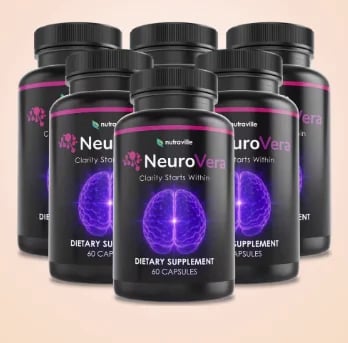
Enhance Your Cognitive Performance with NeuroVera

NeuroVera is like nothing you've ever tried before — based on a closely guarded formula designed to help support memory function. With its unique blend of extremely hard-to-source ingredients, NeuroVera helps potentially support memory function and overall brain health.

NeuroVera combines rare botanicals including Schisandra, Shilajit, and Lion's Mane Mushroom with proven nootropics like Bacopa and Ginkgo Biloba. This plant-based formula supports neurotrophin function, mental clarity, and healthy neural communication.

Lion's Mane Power Neurotrophin Support Detoxification Third-Party Tested

Key Ingredients

Schisandra Fruit Extract Gotu Kola Shilajit Extract Lion's Mane Bacopa Monnieri Ginkgo Biloba Phosphatidylserine
Discover NeuroVera Today

Affiliate link — we may earn a commission at no extra cost to you