Science-backed strategies for maximising alertness, minimising tolerance, and protecting sleep — distilled from clinical pharmacology research.
Used by
80% of Adults
Navigate through this comprehensive guide to find the information you need most.
Understanding how caffeine is absorbed, metabolised, and eliminated from your body.
A detailed reference table comparing caffeine levels in beverages and supplements.
Optimise your caffeine intake by aligning with your body's natural cortisol rhythm.
Find your optimal dose based on body weight and desired cognitive effects.
Prevent tolerance and maintain caffeine's effectiveness with strategic cycling.
The most validated nootropic combination for sustained focus without jitters.
The non-negotiable cut-off rules to protect your sleep quality.
Caffeine remains the world's most widely consumed psychoactive substance, used daily by an estimated 80% of the global adult population. Yet the vast majority of users consume it habitually rather than strategically, leaving significant cognitive benefits on the table while courting unnecessary side effects.
This guide translates the pharmacokinetic and chronobiological research into a practical framework for optimising caffeine intake — covering timing, dosing, cycling, and stacking strategies grounded in peer-reviewed evidence.
Most caffeine consumers are leaving cognitive enhancement potential on the table. By understanding the science behind caffeine's effects on your brain, you can optimise this powerful tool for peak mental performance.
Understanding the Basics
Caffeine is rapidly absorbed after oral ingestion, typically reaching peak plasma concentration within 30–60 minutes. Its primary mechanism of action involves competitive antagonism of adenosine A1 and A2A receptors, which blocks the sleep-promoting signals that accumulate during wakefulness.
The average elimination half-life in healthy adults is approximately 5–6 hours, though individual variation is substantial. Genetic polymorphisms in the CYP1A2 enzyme — the primary metaboliser of caffeine — create a spectrum ranging from:
Learn more: Understanding Nootropic Dosing • What Are Nootropics
200 mg dose — fast vs. slow metaboliser profiles
Understanding the exact caffeine content of your preferred source is essential for precise dosing.
| Source | Serving Size | Caffeine (mg) | Onset |
|---|---|---|---|
| Espresso (single shot) | 30 ml | 63 mg | 15–25 min |
| Filter/Drip Coffee | 240 ml | 95–165 mg | 20–35 min |
| Green Tea | 240 ml | 25–50 mg | 30–45 min |
| Black Tea | 240 ml | 40–70 mg | 25–40 min |
| Matcha | 240 ml | 60–80 mg | 30–45 min |
| Caffeine Tablet (Anhydrous) | 1 tablet | 100–200 mg | 15–20 min |
| Pre-workout Supplement | 1 scoop | 150–300 mg | 15–25 min |
| Dark Chocolate (70%+) | 40 g | 25–35 mg | 30–45 min |
| Cola / Energy Drink | 250 ml | 25–80 mg | 20–30 min |
Pre-workout supplements can contain up to 300 mg per serving
Green tea provides a smooth, sustained release of caffeine
Tablets offer the most accurate caffeine measurement
Explore tea options: Matcha Theanine Caffeine Ratio Guide — Optimise your matcha for calm focus • Camellia Sinensis — The science behind tea compounds
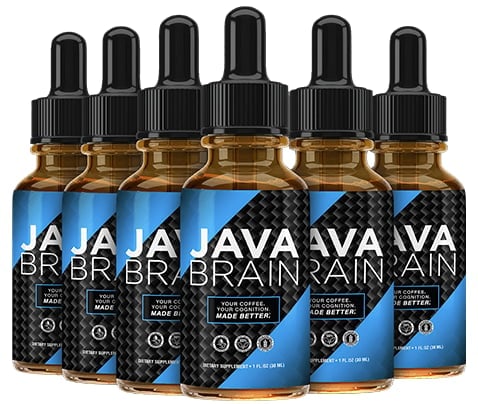
Transform your morning coffee into a cognitive powerhouse. Java Brain's tasteless liquid formula combines L-Theanine, Ginkgo Biloba, and Quercetin to work synergistically with caffeine, targeting neuroinflammation while supporting focus and mental clarity.
Affiliate link. We may earn a commission at no extra cost to you.
Align your caffeine intake with your body's natural rhythms for maximum benefit.
Chronobiology research has established that caffeine is most effective when consumed outside of natural cortisol peaks. Cortisol — the body's endogenous alertness hormone — typically surges in three daily windows: upon waking (approximately 8:00–9:00 AM), late morning (12:00–1:00 PM), and early evening (5:30–6:30 PM).
The optimal strategy: Delay your first caffeine dose by 90–120 minutes after waking, allowing the natural cortisol surge to clear. This approach delivers a noticeably stronger subjective response from the same dose while slowing adenosine receptor downregulation over time.
Related Reading: Circadian Rhythm & Focus — Learn how to work with your body clock for better productivity
Aligned with a 7:00 AM wake time — adjust ±1 hour for your schedule
Research consistently identifies 1.5–3.0 mg per kilogram of body weight as the effective cognitive-enhancement dose range.
| Body Weight | Low Dose (1.5 mg/kg) | Moderate (3 mg/kg) | Upper Limit (6 mg/kg) |
|---|---|---|---|
| 55 kg (8.6 st) | 82 mg | 165 mg | 330 mg |
| 70 kg (11 st) | 105 mg | 210 mg | 420 mg |
| 85 kg (13.4 st) | 128 mg | 255 mg | 510 mg* |
| 100 kg (15.7 st) | 150 mg | 300 mg | 600 mg* |
The European Food Safety Authority (EFSA) recommends that healthy adults limit total daily caffeine intake to no more than 400 mg. Doses marked with * exceed this guideline and are not recommended for regular use.
Calculate your dose: Try our Nootropic Dosage Guide for personalised recommendations and tracking methods
< 1.5 mg/kg
May produce sub-clinical effects
1.5–3.0 mg/kg
Peak focus without side effects
> 6 mg/kg
Anxiety, tolerance acceleration
Prevent tolerance and maintain caffeine's nootropic potency over time.
Chronic daily caffeine use leads to adenosine receptor upregulation within 7–12 days, meaning the brain grows additional receptors to compensate for blockade. This manifests as tolerance — requiring progressively higher doses for the same effect. Strategic cycling prevents this adaptation and preserves caffeine's nootropic potency over time.
| Protocol | Schedule | Difficulty | Best For |
|---|---|---|---|
|
5:2 Method
|
5 days on / 2 days off | Moderate | Daily professionals |
|
2-Week Rotation
|
10 days on / 4 days off | Easy | Beginners |
|
Month-on / Week-off
|
4 weeks on / 1 week off | Moderate | High-demand periods |
|
Full Reset
|
Taper over 1 week, abstain 2 weeks | Hard | Full tolerance reversal |
During off-days, substituting with L-theanine (200 mg) or rhodiola rosea extract can help mitigate withdrawal symptoms — particularly headache and reduced concentration — without interfering with adenosine receptor normalisation.
Rhodiola Stress Dosing Tips — Research-informed dosing guidance for this powerful adaptogen
L-Theanine
200 mg for focus support
Rhodiola Rosea
300 mg for energy support
The most extensively validated nootropic combination in clinical literature.
L-theanine, a non-proteinogenic amino acid found naturally in tea leaves, modulates caffeine's stimulatory profile by promoting alpha brain wave activity. The result is sustained attention and focus without the jitteriness, anxiety, or crash commonly associated with caffeine alone.
The established clinical ratio is 1:2 (caffeine to L-theanine). For a standard 100 mg caffeine dose, pair with 200 mg L-theanine.
Multiple randomised controlled trials have demonstrated that this combination significantly outperforms either compound in isolation on measures of attention, task-switching accuracy, and subjective alertness.
Deep dive: Caffeine + L-Theanine UK Guide — Everything you need to know about optimal ratios, timing, and safety for UK users.
Wake Up
Wait 90 minutes
Check Cortisol
Avoid peak times
Dose by Weight
1.5–3 mg/kg caffeine
Add L-Theanine
2:1 ratio (100mg : 200mg)
Cut-off by 2 PM
Protect sleep quality
Sleep quality remains the single most impactful variable in cognitive performance.
Even when an individual perceives no difficulty falling asleep, research using polysomnography demonstrates that caffeine consumed 6 hours before bed reduces total sleep time by an average of 41 minutes and significantly diminishes slow-wave (deep) sleep.
Establish an absolute caffeine cut-off time 8–10 hours before your intended sleep onset. For someone aiming to sleep at 11:00 PM, this means no caffeine after 1:00–3:00 PM.
Note: Slow metabolisers (identifiable through genetic testing or subjective experience with evening caffeine sensitivity) should shift this cut-off even earlier.
Explore further: Sleep for Focus — How sleep quality directly impacts cognitive performance • Sleep Nootropics UK — Supplements to support better sleep
11 PM
Sleep Time
Expert answers to the most common questions about caffeine optimisation
The goal of caffeine optimisation is not to consume more — it is to extract maximum cognitive benefit from the minimum effective dose, timed precisely, cycled strategically, and always subordinated to sleep quality.
Master this framework and caffeine becomes one of the most reliable cognitive tools available.
90–120 min after waking
1.5–3 mg per kg body weight
5:2 or 2-week rotation
Add L-theanine 2:1 ratio
200–400 mg
EFSA recommended maximum for healthy adults
30–60 min
Time to reach peak plasma concentration
2:00 PM
8–10 hours before bedtime
A visual summary of the key principles for maximising caffeine's cognitive benefits.
Based on 70kg adult (moderate dose)
210
mg optimal dose
30–60
min to peak
5–6
hour half-life
41
min sleep loss (6h before bed)
Understanding the mechanism helps you appreciate why timing, dosing, and cycling matter for optimal cognitive enhancement.
Learn the ScienceSave this guide: Caffeine Theanine Stack — Quick reference for the perfect stack ratio