A rigorous look at the "five-flavour fruit" — its lignan chemistry, the liver, stress and fatigue evidence, the North/South species distinction most articles skip, and exactly what a well-standardised extract should say on the label.
Schisandra fruit extract is a concentrate of the dried berries of Schisandra chinensis (or the related S. sphenanthera), standardised to its dibenzocyclooctadiene lignans — chiefly schisandrin, schisandrin A/B and the gomisins. Human and animal research supports two main uses: liver support (reduced ALT/AST and oxidative stress markers) and adaptogenic stress/fatigue resilience, most robustly documented within the combination formula ADAPT-232. Typical standardised doses run 300–1,200 mg daily, taken with food. It meaningfully inhibits CYP3A4 and P-glycoprotein, so it is not appropriate to combine with immunosuppressants, many chemotherapy drugs, or without medical supervision alongside any prescription medicine metabolised by CYP3A4. It is not recommended in pregnancy.
Schisandra is a deciduous, berry-producing vine native to the temperate forests of northern China, Korea, Japan and the Russian Far East. Its clustered red berries carry all five recognised tastes at once — sweet, sour, salty, bitter and pungent — which is why it is known in Chinese as wu wei zi, the "five-flavour fruit". This is not a cosmetic detail: in Traditional Chinese Medicine, herbs said to work across multiple organ systems are traditionally described this way, and modern pharmacology has borne out a genuinely broad-spectrum action profile for this plant.
"Schisandra fruit extract" as sold today is a concentrated preparation, typically an ethanolic or hydroethanolic extract of the dried, mature fruit (sometimes seed-focused, since the seed carries the highest lignan density), standardised to a defined percentage of total lignans or a named marker compound such as schisandrin.
Its documented use history runs from Soviet-era occupational medicine — schisandra was studied alongside eleuthero and rhodiola for pilots, factory workers and soldiers needing to sustain attention under fatigue — through to its present classification as one of the three "classical" plant adaptogens, alongside Rhodiola rosea and Eleutherococcus senticosus.
Schisandra's pharmacological activity comes almost entirely from a family of dibenzocyclooctadiene lignans, of which more than 30 have been isolated from the fruit. The table below sets out the compounds that matter most, and what they are individually best evidenced for — a level of compound-by-compound detail rarely given in general consumer overviews.
Table 1 — Major schisandra lignans and their principal documented activity
| Lignan | Also known as | Best-evidenced activity |
|---|---|---|
| Schisandrin | Schisandrol A | Hepatoprotection; CYP3A4/P-gp modulation |
| Schisandrin A | Deoxyschisandrin | Anti-fatty-liver, anti-inflammatory |
| Schisandrin B | γ-schisandrin (related) | Mitochondrial antioxidant support; most-studied cardioprotective lignan |
| Schisandrol B | Gomisin F (related) | Antioxidant, neuroprotective preclinical signal |
| Gomisin A | — | Potent, time-dependent CYP3A inhibitor — central to drug interaction risk |
| Schisantherin A | Gomisin C | Anti-inflammatory; contributes to South species profile |
Illustrative content ranges compiled from multiple HPLC/MS analyses of North Wu Wei Zi extracts. Actual content varies substantially by cultivar, harvest and extraction method — this is why standardisation, not raw plant name, is what matters on a label.
Almost every consumer-facing article on schisandra treats it as a single, undifferentiated plant. In practice, two related but chemically distinct species are sold under the same English name, and the Chinese Pharmacopoeia treats them as separate monographs with separate quality markers:
Table 2 — North Wu Wei Zi vs South Wu Wei Zi
| North Wu Wei Zi | South Wu Wei Zi | |
|---|---|---|
| Botanical source | Schisandra chinensis | Schisandra sphenanthera |
| Dominant lignans | Schisandrin B, schisandrin, gomisin A | Anwulignan, schisandrin A, gomisin C |
| Pharmacopoeia marker | Schisandrin ≥ 0.40% | Gomisin C ≥ 0.20% |
| Traditional emphasis | Tonifying, astringent, respiratory/kidney support | Liver-protective clinical preparations (e.g. Wuzhi tablet) |
| Most Western supplements use | Yes — the default | Rare outside TCM pharmacy products |
The practical takeaway: if a product simply says "Schisandra" with no Latin binomial, you cannot verify which chemotype you're buying, and the marker compound you'd want on a Certificate of Analysis differs between the two. A label that names Schisandra chinensis and states a schisandrin percentage is doing meaningfully more than one that says "schisandra berry, 500 mg" with no further detail.
Schisandra's lignans do not act on a single receptor or pathway. Three distinct, well-documented mechanisms explain the bulk of its research findings, and they are worth separating clearly because they map onto different use-cases.
The third pathway is a safety mechanism, not a benefit — but it is inseparable from schisandra's identity and belongs in any complete account of "how it works".
Hepatoprotection is schisandra's oldest and best-replicated pharmacological finding. Across dozens of rodent studies using chemical liver-injury models (carbon tetrachloride, alcohol, high-fat diet), lignan-rich schisandra extracts consistently lower liver enzymes such as ALT and AST while reducing histological signs of inflammation and necrosis. A recent preclinical study also found that lignan-rich extract reduced liver lipid accumulation and inflammation in an alcohol-associated liver disease model, in part by improving gut barrier function and reducing bacterial toxin translocation into the bloodstream — a gut-liver-axis mechanism that most consumer content omits entirely.
Mechanistically, isolated schisandrin lignan extract given to mice before a toxic liver insult significantly reduced serum ALT/AST activity and liver pathology, working through suppression of oxidative stress and the NF-κB/JNK inflammatory signalling pathways. Separately, network pharmacology work on schisandra's anti-fatty-liver activity has identified specific lignan sub-fractions that outperform the two most-studied marker compounds, schisandrin A and schisandrin B, in cell-based models of insulin resistance — suggesting the "whole extract" may matter more than any single isolated lignan.
The important caveat: this is a strong preclinical evidence base. Human hepatoprotection trials exist mainly in the context of TCM liver-disease pharmacy preparations rather than the over-the-counter capsules sold in the UK, so translate the animal-model strength of evidence honestly rather than as a guarantee of clinical outcomes in otherwise healthy adults.
Schisandra's adaptogen classification rests on a genuine, if modest, human trial base — around 13 published clinical studies specifically using Schisandra chinensis for mental performance, more than for many better-marketed adaptogens. The most rigorous single-dose human data comes from ADAPT-232, a fixed combination of rhodiola, schisandra and eleuthero: in a double-blind, placebo-controlled trial of 40 women reporting chronic stress, a single 270 mg dose was assessed for effects on attention, speed and accuracy in tired individuals performing stressful cognitive tasks using the Stroop and d2 tests.
At the mechanistic level, an animal study directly comparing schisandra and rhodiola under repeated compound stress (predator exposure plus treadmill running) found both plants exerted anti-stress effects on the HPA axis, altering corticosterone, ACTH and hypothalamic gene expression associated with the stress response. Broader systematic review work concludes there is good scientific evidence that Schisandra chinensis and Eleutherococcus senticosus increase endurance and mental performance specifically in people with mild fatigue and weakness — a narrower, more honest claim than "boosts energy in everyone," and one worth stating precisely.
Schisandra alone (outside combination formulas) has fewer standalone RCTs than rhodiola, and much of the "13 studies" evidence base predates modern trial reporting standards. Treat single-herb schisandra cognition claims as plausible and mechanistically supported, not as clinically proven to the standard of, say, caffeine for alertness.
Marketing copy for schisandra frequently cites muscle-strength and anti-fatigue benefits drawn from rodent work — but the one placebo-controlled human trial specifically testing this is worth surfacing because its result is more cautious than the marketing. In a randomised, double-blind trial in 65 healthy post-menopausal middle-aged women, researchers tested whether schisandra chinensis extract could increase quadriceps muscle strength and reduce resting blood lactate, building on animal data showing improved muscle mass, strength and endurance in mice. The authors themselves noted upfront that "in humans, SC extract may not be as effective as in animals" — a rare and useful piece of researcher candour that most product pages don't quote.
On metabolic health, preclinical evidence is more encouraging: schisandra fruit extracts and isolated lignans show anti-insulin-resistance, anti-obesity and lipid-lowering properties, with specific lignan sub-fractions shown to improve liver steatosis and insulin resistance markers in mouse models. As with the liver evidence, this is a preclinical signal worth watching rather than a settled human outcome.
Table 3 — Typical standardised dosing ranges reported in the literature
| Goal | Typical daily dose | Standardisation to look for |
|---|---|---|
| General wellness / adaptogen use | 300–500 mg | 1–2% total schisandrins |
| Liver-support focus | 500–1,200 mg | 1–2% schisandrins, divided AM/PM dosing |
| Combination adaptogen formula (ADAPT-232-type) | ~270 mg per dose | Fixed-ratio extract with rhodiola and eleuthero |
Take schisandra with food; it can cause mild gastric irritation or heartburn on an empty stomach, particularly at higher doses. Most studied regimens use divided morning/evening dosing rather than one large dose, which also reduces the chance of a wired, jittery feeling some users report if taken as a single bolus late in the day.
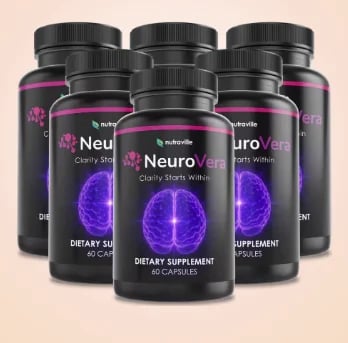
NeuroVera is like nothing you've ever tried before... it's based off a closely guarded formula that's said to be able to help support memory function.
With its unique blend of extremely hard to source ingredients, NeuroVera helps potentially support memory function and overall brain health. NeuroVera combines rare botanicals including Schisandra, Shilajit, and Lion's Mane Mushroom with proven nootropics like Bacopa and Ginkgo Biloba.
Key Ingredients: Schisandra Fruit Extract, Gotu Kola, Shilajit Extract, Lion's Mane, Bacopa Monnieri, Ginkgo Biloba, Phosphatidylserine
Learn More About NeuroVeraSchisandra lignans, particularly gomisin A, are established inhibitors of cytochrome P450 3A4, an enzyme responsible for metabolising a large proportion of prescription drugs, and can also affect P-glycoprotein-mediated drug transport. In pharmacokinetic studies, schisandra-related extracts significantly altered blood levels of the immunosuppressant cyclosporine A and were shown separately to decrease production of a toxic metabolite of the chemotherapy drug cyclophosphamide via CYP3A inhibition. Continuous use for more than ten days may also cause a substantial decrease in P-glycoprotein expression in intestinal and brain tissue, meaning interaction risk can build with ongoing use rather than only appearing on day one.
Table 4 — Who should exercise particular caution
| Group | Concern |
|---|---|
| Pregnant or breastfeeding | Not recommended — limited safety data on uterine effects; avoid |
| Anyone on CYP3A4-metabolised medication | Includes many statins, calcium-channel blockers, some benzodiazepines and immunosuppressants — seek pharmacist/GP advice first |
| Immunosuppressant users (cyclosporine, tacrolimus) | Significant, clinically documented interaction risk |
| Anticoagulant users (e.g. warfarin) | Potential for enhanced anticoagulant effect |
| People with epilepsy or peptic ulcer disease | Traditionally cautioned against in TCM sources; limited modern safety data |
| Children | No established paediatric dosing — avoid unless supervised by a qualified practitioner |
This is a supplement with a real, mechanistically explained interaction profile — not a "check with your doctor" disclaimer added for legal cover. If you take any regular prescription medicine, confirming with a pharmacist whether it is a CYP3A4 substrate is a genuinely useful five-minute step before starting schisandra.
Table 5 — Schisandra vs the other two "classical" adaptogens
| Schisandra | Rhodiola rosea | Eleutherococcus senticosus | |
|---|---|---|---|
| Strongest single benefit | Liver protection | Mental fatigue reduction | Physical endurance |
| Human trial volume | Moderate (~13 studies) | Highest (30+ studies) | Moderate (~11 studies) |
| Notable interaction risk | High — CYP3A4/P-gp | Low | Low–moderate |
| Onset feel | Subtle, non-stimulating | Often noticeable same-day | Gradual, cumulative |
| Best combined with | Rhodiola + eleuthero (ADAPT-232) | Schisandra + eleuthero | Rhodiola + schisandra |
Disclaimer: This article is for educational purposes and does not constitute medical advice. Schisandra fruit extract has clinically meaningful drug interaction potential — speak to a doctor or pharmacist before combining it with any prescription medication, and avoid it in pregnancy. Some links on this page may be affiliate links. We may earn a commission if you make a purchase through these links, at no additional cost to you.