2026 Guide

Curcumin and Brain Health:
Why Bioavailability Is the Whole Ballgame

Curcumin's bioavailability is the single biggest obstacle standing between you and any real curcumin brain health benefit. Here's the research that matters in 2026.

Here's a stat that stopped me mid-scroll while researching this piece: curcumin's antioxidant punch against the oxidative stress that drives Alzheimer's pathology is reportedly ten times more effective than vitamin E, one of the most trusted antioxidants on supplement shelves.

Here's the thing though. That impressive number means almost nothing if the curcumin never makes it into your bloodstream, let alone your brain.

Look, I've spent years digging through nootropic research, and curcumin is one of those compounds that sounds incredible on paper and then falls apart the moment you check the pharmacokinetics. Let's get into what the 2026 research actually shows — no BS, just the facts on curcumin brain health bioavailability and what actually works.
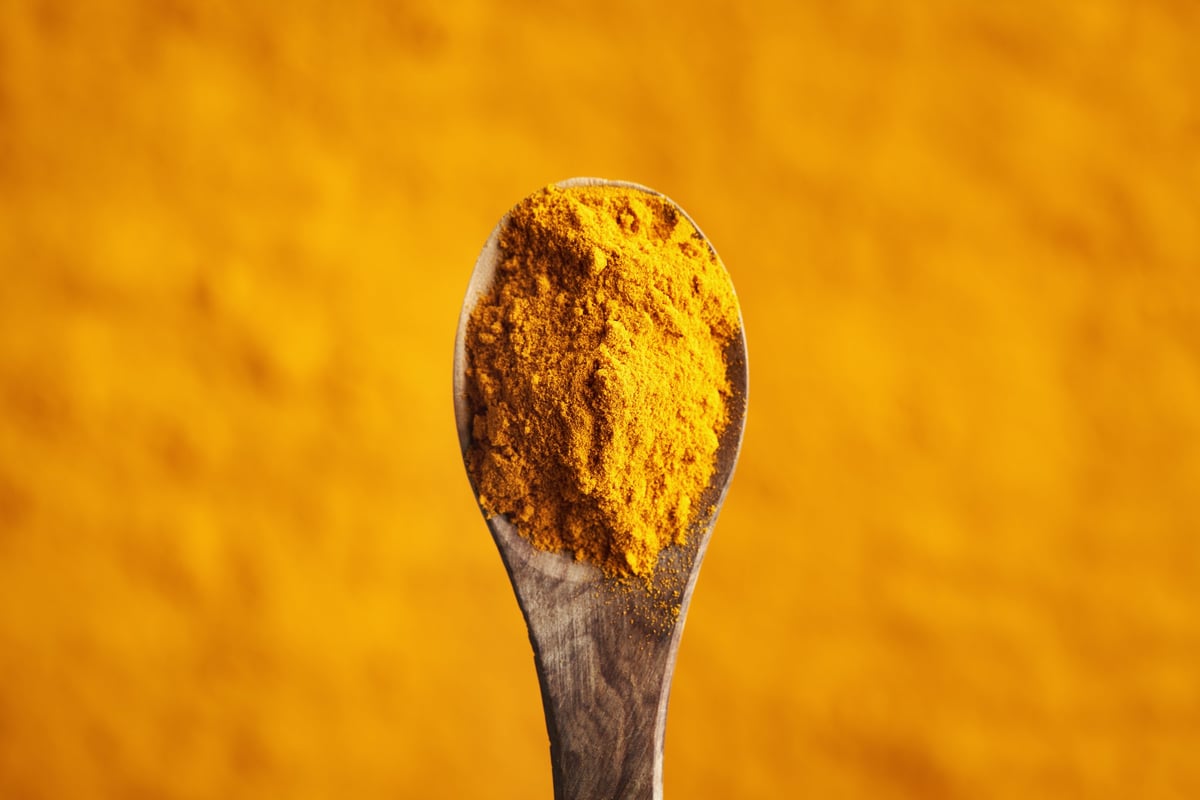
Turmeric powder on a spoon, top view with copy space
10× Vitamin E

Key Takeaways

Question Quick Answer
Does curcumin actually help brain health? Yes, but only when curcumin brain health bioavailability issues are solved through absorption-enhanced formulas and long-term use.
What's the optimal daily dose? A 2025 meta-analysis pegs the sweet spot around 0.8 g/day for cognitive benefits.
How long before I notice anything? Studies show significance only after ≥24 weeks of consistent supplementation. This is not a quick fix.
Who benefits most? Adults ≥60 years showed the clearest cognitive improvements in subgroup analysis.
Is plain turmeric powder good enough? No. Raw curcumin is poorly absorbed; you need piperine, phospholipid, or nanoparticle delivery systems.
Any safety concerns? Yes, high-dose bioavailability-enhanced formulas have been linked to rare liver injury cases flagged by regulators.
What does it pair well with? Many people stack it alongside omega-3s for combined anti-inflammatory support.

What Curcumin Actually Is (and Why It Ended Up on Every Brain Supplement List)

Curcumin is the yellow-pigmented polyphenol extracted from turmeric root. It's been used in Ayurvedic practice for centuries, but the modern nootropics crowd got interested for a very specific reason: its antioxidant and anti-inflammatory profile.

Chronic low-grade inflammation and oxidative stress are two of the biggest drivers behind age-related cognitive decline. Curcumin targets both mechanisms directly, which is exactly why researchers keep circling back to it.

By supporting cellular defense mechanisms, compounds like curcumin help maintain the integrity and function of neurons over time. That's the theory, anyway. The practice is where curcumin brain health bioavailability becomes the whole story.

The Core Problem

The Curcumin Brain Health Bioavailability Problem, Explained

Here's the uncomfortable truth the marketing copy tends to skip: curcumin is one of the worst-absorbed compounds in the natural nootropics space.

Taken orally in its raw form, curcumin gets metabolised rapidly in the gut and liver, and very little of it ever reaches systemic circulation. Less still crosses the blood-brain barrier in a usable form.

This isn't a small technicality. It's the reason so many people try turmeric supplements, feel nothing after a few weeks, and write the whole ingredient off as overhyped.

The research doesn't say curcumin doesn't work. It says curcumin doesn't work unless the bioavailability problem is solved first. Big difference.

How Researchers Are Fixing Curcumin's Absorption Problem

A few delivery methods have shown up repeatedly in clinical literature as genuine fixes rather than marketing gimmicks:

Piperine Co-Administration

Black pepper extract inhibits the liver enzymes that break curcumin down, extending its time in circulation.

Phospholipid Complexes (Phytosomes)

Binding curcumin to phospholipids helps it slip through intestinal membranes more efficiently.

Nanoparticle & Liposomal Formulations

Shrinking particle size dramatically increases surface area for absorption.

Curcumin-Cyclodextrin Complexes

These "cage" the molecule in a water-soluble structure until it's ready to be released.

None of these are exotic lab tricks dreamed up for a marketing bullet point. They're documented, tested approaches to solving a genuine curcumin brain health bioavailability gap — and the difference in blood levels between raw powder and an enhanced formula can be several-fold.

What the 2026 Research Actually Shows About Cognitive Benefits

A widely cited 2025 meta-analysis published in Frontiers in Nutrition pooled data from 9 randomised controlled trials covering 501 subjects. The result: a Standardized Mean Difference of 0.82 for global cognitive function, favouring curcumin over placebo.

That's a meaningful effect size in clinical research terms. It's not a miracle number, and we're not going to pretend it is, but it's a real, measurable signal.

Did You Know?

A 2025 meta-analysis identified 0.8 g/day as the optimal dose for maximizing curcumin's cognitive benefits.

Source: Frontiers in Nutrition

Here's the catch nobody wants to hear: benefits only became statistically significant after ≥24 weeks of continuous use. This is not a "take it before an exam" nootropic. Think of curcumin as a long-term maintenance tool for your brain, not a cramming aid.

Subgroup analysis also flagged that adults ≥60 years saw the clearest improvements, which lines up neatly with curcumin's role in fighting the oxidative stress that accelerates cognitive aging.

Dosage: What the Clinical Trials Actually Used

Clinical trials investigating curcumin, everything from "chemo brain" studies to Alzheimer's research, have tested doses ranging from 160 mg to 4 g/day. That's a massive range, and it tells you dosing depends heavily on the formulation's bioavailability, not just the milligram number on the label.

A low-bioavailability raw powder at 500 mg is doing far less work than a phytosome-bound 500 mg dose. This is exactly why comparing curcumin supplements on price-per-milligram alone is a mistake.

Our general take: match the dose to the delivery system, be patient, and don't expect overnight clarity. Gradual improvement, not instant genius, is the honest framing here.

Curcumin vs Other Evidence-Backed Brain Health Nootropics

Curcumin doesn't work in isolation, and it's worth seeing how it stacks up against other well-researched options we cover regularly.

Compound Primary Mechanism Time to Effect
Curcumin Antioxidant, anti-inflammatory ≥24 weeks
Bacopa Monnieri Memory consolidation 8-12 weeks
Omega-3 (DHA/EPA) Membrane structure, anti-inflammation Weeks to months
Lion's Mane NGF/BDNF stimulation Weeks

Notice the pattern. Every genuinely evidence-backed brain compound on this list requires patience. None of them promise instant genius, and honestly, we'd be suspicious of any that did.

What to Stack With Curcumin for Better Brain Health Bioavailability and Results

Stacking is where things get interesting, and where a lot of the "rubbish" marketing tends to disappear. Combining curcumin with compounds that address different mechanisms tends to produce more consistent results than curcumin alone.

L-Theanine

Pairs well because it modulates neurotransmitter signalling for calm focus, complementing curcumin's slower, structural anti-inflammatory work rather than competing with it.

Magnesium L-Threonate

Another common pairing, since it's built specifically to cross the blood-brain barrier and support memory and sleep — two areas where curcumin's slow-burn benefits can use reinforcement.

Ashwagandha

Shows up frequently for its cortisol-lowering effects, which matters because chronic stress hormones actively work against the same neuroprotective goals curcumin is trying to support.

CDP-Choline

A worthwhile add-on if acetylcholine production and mental clarity are your main targets, since curcumin doesn't touch that pathway at all.

Safety Advisory

Safety: What the Liver Toxicity Alerts Actually Mean

Here's the part that gets buried under the "natural equals safe" assumption. High-dose or bioavailability-enhanced curcumin formulations have prompted genuine regulatory concern.

Did You Know?

Australia's TGA issued safety alerts after 18 suspected cases of liver injury linked to high-dose or bioavailability-enhanced curcumin products.

Source: Dr. William Wallace, LinkedIn

This isn't a reason to panic, but it is a reason to be careful about dose-stacking multiple absorption enhancers at once, especially piperine plus a phospholipid complex, without medical guidance. Improving curcumin brain health bioavailability also means improving how much of everything else in the formula gets absorbed — including compounds your liver has to process harder.

If you're on other medications, or you're combining curcumin with several other supplements, this is genuinely one of those situations where checking our nootropic side effects breakdown before you start stacking is worth the ten minutes.

Does Curcumin Actually Meet Giurgea's Criteria for a True Nootropic?

Dr. Corneliu Giurgea coined the term nootropic back in 1972, and he set a strict bar: low toxicity, minimal side effects, and genuine neuroprotection over time. Here's the thing though — not everything marketed as a "nootropic" today meets those criteria, and curcumin sits in a genuinely interesting grey zone.

Its antioxidant and anti-inflammatory action clearly fits the neuroprotective side of the definition. The toxicity question is where curcumin brain health bioavailability enhancements complicate the picture, since the very technologies that make curcumin work better are the same ones drawing regulatory scrutiny at high doses.

Curcumin earns its place among evidence-based brain compounds, but it belongs in the "use responsibly, dose sensibly" category rather than the "take as much as possible" one. That distinction matters more than any bottle label will tell you.

How Curcumin Fits Into a Broader Cognitive Aging Strategy

With roughly 6.9 million older adults in the U.S. currently living with Alzheimer's, the appeal of accessible, low-toxicity neuroprotective compounds isn't going anywhere in 2026. But curcumin was never meant to be a standalone fix.

The people who report the best results tend to treat it as one layer in a broader cognitive aging prevention strategy, alongside sleep, exercise, and a wider look at brain-supportive habits covered in our brain health lifestyle guide. There's also growing interest in the gut-brain axis, since curcumin's anti-inflammatory effects in the digestive tract may partly explain its cognitive benefits.

68%

Powdered curcumin is still projected to hold 68% of the supplement market by the end of 2026, despite its known absorption limitations. That tells you something about the gap between what sells and what actually works — which is exactly the gap we've been trying to close throughout this guide.

Conclusion: Is Curcumin Worth It for Brain Health in 2026?

Curcumin brain health bioavailability isn't a footnote — it's the entire deciding factor in whether this compound does anything for you at all. Raw turmeric powder, taken hopefully, is largely wasted money.

An absorption-enhanced formula, taken consistently for six months or more, backed by an 0.82 SMD improvement in cognitive function across real clinical trials, is a genuinely different proposition.

If you're over 60, patient, and willing to treat this as long-term maintenance rather than a quick fix, curcumin earns a spot on our evidence-based list. Check the delivery system before you check the price. That's the entire lesson here.

Frequently Asked Questions

Ready to Dive Deeper Into Brain Health?

Explore our comprehensive guides on nootropics, cognitive enhancement, and evidence-based brain health strategies.