Lion's Mane Neuroprotection Guide: How This Natural Nootropic May Support Long‑Term Brain Health

Lion's Mane is one of the few natural nootropics that has shown measurable changes on standard cognitive tests in human trials, including significant Mini-Mental State Examination (MMSE) improvements over 12 to 49 weeks in older adults taking Hericium erinaceus extracts. In this guide we walk through how Lion's Mane may support brain health, how people in the nootropics UK community typically use it, and how to combine it sensibly with other natural nootropics without making unrealistic assumptions.

Lion's Mane Neuroprotection

Key Takeaways

Question Answer
What is Lion's Mane used for in brain health? Lion's Mane is a functional mushroom people use as part of natural nootropics routines to support focus, memory, and general brain health, often guided by resources like our Lion's Mane benefits guide.
Does Lion's Mane count as a cognitive enhancer? Yes, many users consider it a mild, long‑term cognitive enhancer, especially for mental clarity and supplements for memory, rather than a fast "smart drug" effect.
How might Lion's Mane support neuroprotection? Research points to pathways like nerve growth factor (NGF), brain-derived neurotrophic factor (BDNF), antioxidant activity, and potential gut–brain effects, which together may help preserve brain structure and function over time.
Can I combine Lion's Mane with Bacopa Monnieri? Many users stack Lion's Mane with Bacopa Monnieri for a more complete memory and focus profile, especially in structured nootropic stack plans.
What other brain supplements UK users often pair with Lion's Mane? Common pairings include omega‑3, Rhodiola, Ginkgo, and carefully formulated blends featured on our nootropic products overview.
Is Lion's Mane enough on its own? We see the best experiences when users treat Lion's Mane as one tool within a broader brain health strategy that includes sleep, stress management, and a thoughtful nootropic stack.
Where do I explore broader brain supplements in the UK? You can review multi‑ingredient options and individual cognitive enhancers in our brain supplements UK catalogue before deciding what fits your goals.

1. What Makes Lion's Mane Interesting For Neuroprotection?

Lion's Mane (Hericium erinaceus) is unusual among natural nootropics because its key molecules, hericenones and erinacines, have been studied for their interaction with nerve growth and brain plasticity. In human trials, older adults using Lion's Mane extracts for several months saw MMSE scores improve compared with placebo groups, which suggests it may help maintain cognitive performance over time.

Unlike typical focus supplements that mainly stimulate alertness, Lion's Mane is more about slow, structural support. It sits in the same conversation as long‑term supplements for memory such as Bacopa Monnieri and omega‑3s, rather than quick hits like caffeine. For many users in the nootropics UK community, that long‑game profile is exactly the appeal.

Single Lion's mane mushroom on white background Edible Lion's Mane Mushroom (Hericium erinaceus) in the Netherlands

Why we view Lion's Mane as a "foundation" nootropic

From our perspective, Lion's Mane fits best as a base ingredient in a broader nootropic stack. It is non‑stimulating, works gradually, and can be taken earlier in the day without disrupting sleep in most reports.

That means you can layer it with targeted brain supplements UK users already know, like Bacopa for recall or Rhodiola for stress resilience, without building a jittery or overly complex regimen. Neuroprotection is rarely about a single compound, and Lion's Mane aligns well with that reality.

2. How Lion's Mane May Support NGF, BDNF, And Brain Plasticity

Mechanistically, Lion's Mane is discussed most often in relation to NGF and BDNF, two growth factors that support neuron survival and synaptic plasticity. The hericenones and erinacines in fruiting body and mycelial preparations appear to modulate these pathways in preclinical models, which is one reason researchers are exploring neuroprotection potential.

A 2024 review pulled together four key clinical studies and reported that Lion's Mane supplementation was associated with MMSE improvements and increases in serum BDNF over 4 to 49 weeks. For us, this kind of convergence between mechanism and human data is what makes Lion's Mane stand out in the natural nootropics landscape.

Diagram of neurotransmitter systems

Neuroplasticity and cognitive aging

As we age, plasticity gradually declines, and that is one reason many people look at cognitive enhancers in the first place. Ingredients that appear to support NGF and BDNF may, in theory, help keep neural networks adaptable for longer.

In practice, this does not mean Lion's Mane "reverses" aging or disease. Instead, it suggests that, when paired with movement, learning, and sleep, Lion's Mane might contribute to a more brain-friendly internal environment over years rather than days.

3. Acute Effects vs Long‑Term Neuroprotection: What The Research Shows

Lion's Mane is often marketed as a focus supplement, but the research story is more nuanced. In one acute study, a single 1.8 g dose improved Stroop task reaction time at 60 minutes in healthy adults, while another trial with 3 g of extract in younger adults saw no significant change in composite cognition, only some domain‑specific shifts.

By contrast, longer studies tell a different story. A 12‑week trial and a 49‑week trial in older adults and mild Alzheimer's disease cases found that MMSE scores improved or at least did not deteriorate in Lion's Mane groups compared with controls, alongside better daily functioning scores in the longer study.

Brain health illustration CogniSurge memory supplement

How we interpret acute vs chronic data

When we look at these results together, our takeaway is simple. Lion's Mane might give a modest short‑term processing benefit for some users, but the more meaningful potential sits in months of consistent intake, not one‑off doses before an exam or deadline.

For anyone building a brain health plan, it helps to separate "feelable" acute effects from slow neuroprotection support. Lion's Mane is mostly in that second category, alongside Bacopa and omega‑3, rather than in the fast, stimulant‑style bucket.

Infographic on 3 key benefits of Lion's Mane for neuroprotection and brain health.

This visual guide highlights three key ways Lion's Mane may support neuroprotection. Learn how this mushroom could contribute to brain health.

4. Lion's Mane In A Broader Brain Health Strategy

We consistently remind readers that nootropics will not compensate for chronic sleep restriction, poor diet, or unmanaged stress. Lion's Mane is no exception, and the neuroprotection idea only really makes sense when your lifestyle gives your brain a chance to rebuild each night.

In our experience, the order of importance looks like this: sleep, stress management, nutrition, movement, then supplements. Lion's Mane can add a layer of support on top of that, but it should not be your first or only line of defence for brain health.

Many different products on white table, flat lay. Natural sources of serotonin Sleep optimization imagery

Foundations first, Lion's Mane second

If you sleep 7 to 9 hours, move daily, and eat a nutrient‑dense diet, then adding Lion's Mane becomes more meaningful. Your brain will be in a better position to make use of any NGF or BDNF modulation that may occur.

We also encourage structured self‑tracking. Before and after starting Lion's Mane, assess your stress levels, focus, and recall over at least 8 to 12 weeks, rather than making decisions based on the first few days.

Did You Know?
In older adults with mild cognitive impairment, Lion's Mane (Yamabushitake) groups showed significantly higher HDS-R cognitive scores at weeks 8, 12, and 16 of intake compared with placebo.

5. Lion's Mane And Memory: How It Compares To Bacopa Monnieri

When people ask us about supplements for memory, the two names that come up most often are Lion's Mane and Bacopa Monnieri. Both have human research, both work gradually, and both are popular in nootropics UK communities that favour natural options.

Bacopa has a longer history in formal memory research, especially for verbal recall and learning, while Lion's Mane carries more of the "neurotrophic" focus around NGF and brain structure. Many users decide not to choose between them and instead combine the two in a simple, long‑term stack.

Close up Brammi leaf and flower SynaBoost advanced memory enhancement supplement

Practical stacking considerations

In practice, a typical user might take a standardized Bacopa extract (for example, 300 to 450 mg per day in studies) alongside a Lion's Mane extract providing a consistent daily dose. Effects from both tend to show up after 8 to 12 weeks, so patience is essential.

We encourage starting with one ingredient, tracking your response, then adding the second. That way you can attribute any perceived changes more confidently and adjust your nootropic stack without confusion.

6. Lion's Mane With Other Cognitive Enhancers: Caffeine, L‑Theanine, And More

Not every brain supplement has to act on growth factors to be part of a smart neuroprotection plan. Many users in the brain supplements UK scene combine Lion's Mane with lighter, acute cognitive enhancers such as caffeine and L‑theanine for daily performance.

Caffeine plus L‑theanine, often in a 2:1 ratio, can support alert yet calm focus for 4 to 6 hours, while Lion's Mane quietly works in the background over weeks. This mix gives both short‑term function and potential long‑term support without relying on heavy stimulants.

Coffee and tea. Concept for choosing drinks. Omega 3 on white Background

Example "dual‑track" day

A typical pattern we see looks like this: a morning dose of Lion's Mane with breakfast, then a caffeine plus L‑theanine coffee or capsule 30 to 60 minutes before a demanding work block. The Lion's Mane stays constant, while the stimulant stack is used more selectively.

This approach respects the different time scales involved in brain health, and it avoids building your entire cognitive strategy on acute stimulation alone.

7. Safety, Tolerability, And Realistic Expectations

No supplement is risk‑free, and Lion's Mane is not an exception. Across clinical studies, most participants tolerated it reasonably well, but one review reported a 14.3 percent withdrawal rate due to adverse effects in a long‑term trial, which is important context if you are considering months of use.

Reported side experiences in research and user communities include digestive upset and skin reactions in a minority of cases. That is why we recommend starting on the lower end of the dose range, especially if you have a history of allergies or sensitivities.

NEUROZOOM Cognitive Enhancement Supplement

Setting grounded goals

From our vantage point, the biggest risk with Lion's Mane is not dramatic harm, but unrealistic expectations. It is easy to overinterpret early research headlines and assume dramatic effects that the data do not actually show.

A more grounded approach is to treat Lion's Mane as one supportive input among many. Aim for marginal gains in clarity and resilience over time, not overnight changes in IQ or productivity.

Did You Know?
A 2024 comprehensive review summarized four key clinical studies showing Mini-Mental State Examination (MMSE) improvements and increased serum BDNF after Lion's Mane supplementation, with intervention durations ranging from 4 to 49 weeks.

8. Building A Simple Lion's Mane‑Centered Nootropic Stack (UK‑Friendly)

If you live in the UK and want a straightforward starting point, we suggest thinking in terms of "slots" rather than long shopping lists. For example: one slot for a neurotrophic base like Lion's Mane, one for memory (such as Bacopa), one for mood or stress (Rhodiola), and one for acute focus if needed.

For many beginners, a safe starter stack in the $50 to $75 monthly range will cover a Lion's Mane product, a standardized Bacopa, and a quality omega‑3. You can then decide later whether you want to add more targeted focus supplements or keep it minimal.

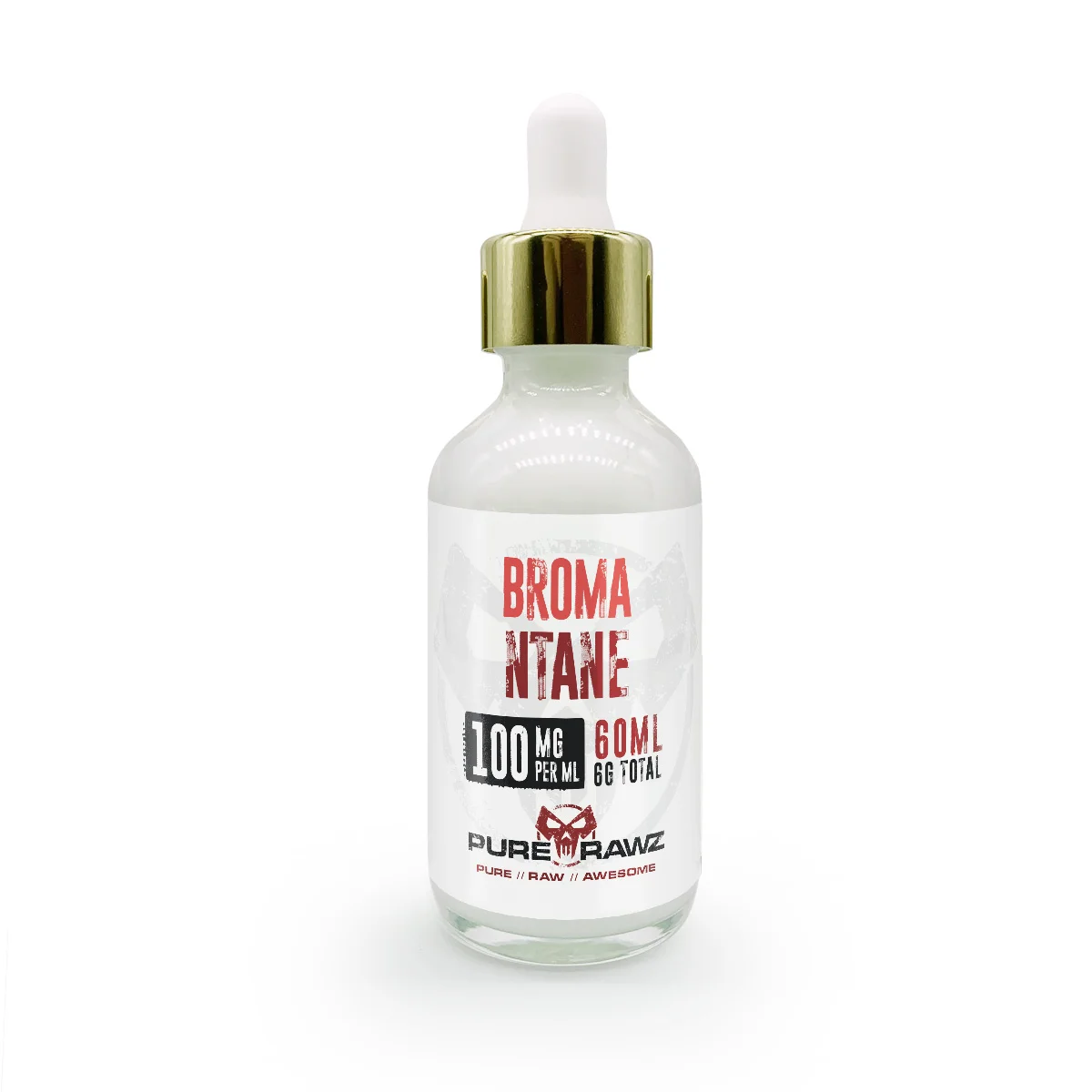
Bromantane Research Compound

Example basic structure

This pattern keeps the long‑term neuroprotection ingredients consistent while giving you some flexibility for days that demand extra concentration.

9. Tracking Your Own Response To Lion's Mane

Neuroprotection is hard to "feel," which is why many people struggle to evaluate whether Lion's Mane is doing anything. We suggest building a simple tracking framework before you start.

On a weekly basis, rate your stress, mental clarity, word recall, and motivation from 1 to 10, and note sleep hours and major life events. Over 8 to 12 weeks, patterns often emerge that single days cannot show.

Fish oil omega-3 supplement Rhodiola rosea golden root plant

When to re‑evaluate

If, after three months of consistent use and stable lifestyle factors, you notice no subjective change at all, you might decide that Lion's Mane is not worth the cost for you personally. That is a valid conclusion, and it highlights why systematic self‑testing matters.

On the other hand, some users report subtle but meaningful shifts in word recall, mental stamina, or stress resilience over similar time frames. Your experience may land anywhere along that spectrum, which is why we avoid promising uniform outcomes.

10. Frequently Asked Questions About Lion's Mane And Neuroprotection

Is Lion's Mane enough to keep my brain "protected" on its own?

We would not frame any single compound that way. Lion's Mane can be one part of a brain health toolkit, but sleep, diet, movement, social connection, and cognitive challenge all matter at least as much for long‑term resilience.

Thinking in terms of "risk reduction" and "support" is more realistic than expecting any mushroom to fully offset aging or disease processes.

How long should I consider taking Lion's Mane?

Most clinical studies ran for at least 8 to 12 weeks, with some extending to almost a year. If you want to give it a fair test, we suggest planning for at least three months before deciding whether to continue.

After that, some users cycle, while others maintain a stable daily dose for longer periods, always watching for any changes in how they feel.

Rhodiola extract capsules

Can Lion's Mane be used alongside prescription medications?

That is a question to take to your healthcare provider, especially if you are on medications that affect immunity, blood clotting, or mood. The research base is still developing, and your personal medical context matters more than any general comment we could make.

We always advocate for full transparency with your clinician about any brain supplements or natural nootropics you are considering.
Conclusion

Lion's Mane sits in a unique position among natural nootropics, with human data suggesting potential support for cognition, growth factor pathways, and possibly even mood and stress over weeks to months of consistent use. Rather than a quick stimulant hit, it behaves more like a slow, structural ally within a broader brain health strategy.

If you approach Lion's Mane with realistic expectations, pair it with foundational lifestyle habits, and integrate it thoughtfully into a balanced nootropic stack, it can be a valuable part of your long‑term cognitive toolkit. What ultimately matters is careful experimentation, honest tracking, and decisions that prioritise your overall brain health over short‑term hype.