Nutrition · Brain Health · 2026

Mediterranean Diet Brain Health (2026): The Evidence-Based Way to Support Memory, Focus, and Healthy Aging

Mediterranean diet brain health is now tied to some of the most compelling dementia-prevention signals we see in real-world research, and the gap between "not trying" and "trying consistently" can be dramatic. Closely following the MIND diet — a Mediterranean-DASH hybrid — can cut Alzheimer's risk by up to 53%.

Key Takeaways

What we mean by Mediterranean diet brain health What to do in your kitchen (practical)
It is not a "single superfood." It is a repeatable pattern that supports blood sugar, inflammation balance, and brain energy. Build meals around vegetables, legumes, whole grains, extra-virgin olive oil, nuts, and fish.
Diet quality matters even when adherence is moderate. Aim for consistency most days, not perfection one day.
Omega-3 fats, polyphenols, and fiber are core drivers of Mediterranean diet brain health. Choose fish for DHA/EPA and colorful plants for antioxidants and polyphenols.
Support also benefits when you pair diet with basic brain habits. Sleep, movement, and stress management make the diet work better.

Quick rule: If a meal is built mostly from plants plus healthy fats, you are already practicing Mediterranean diet brain health.
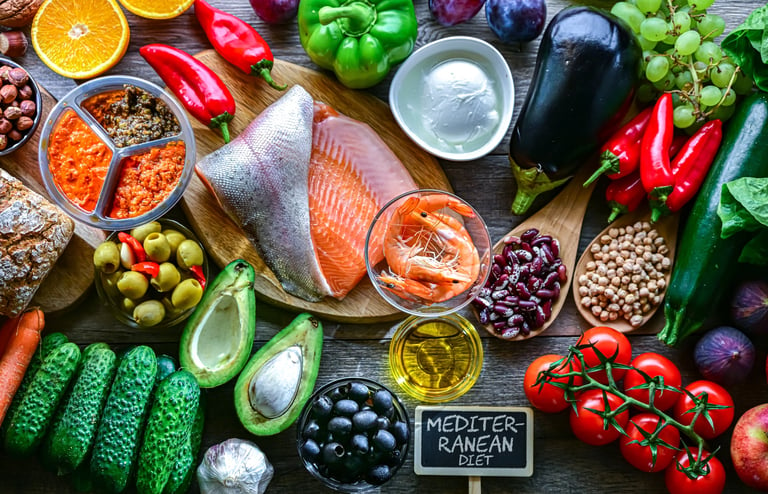
Food products representing the Mediterranean diet.
Eating Mediterranean meals buys your brain extra healthy years.

Why Mediterranean Diet Brain Health Is Getting So Much Attention in 2026

In 2026, the conversation around Mediterranean diet brain health is shifting from "general wellness" to more specific outcomes, including dementia risk and brain structural markers. What stands out is that the pattern is consistent, practical, and layered across multiple protective pathways at once.

Instead of relying on a single compound, Mediterranean-style eating supports several systems your brain depends on every day — stable energy metabolism, blood vessel health, and a lower inflammatory load.

When people follow Mediterranean-related patterns such as the MIND diet, Alzheimer's risk can drop substantially, and brain changes associated with disease appear less often. For many readers, that is the key appeal — it is built to be repeatable.

Lower inflammatory stress

Plant polyphenols, fiber, and healthy fats help balance oxidative stress.

Better metabolic support

Legumes and whole grains support more stable blood sugar patterns.

Brain fat & antioxidant support

Omega-3 fats (DHA/EPA) support brain membrane health, while colorful plants provide antioxidant coverage.

What Mediterranean Eating Looks Like When the Goal Is Brain Health

Mediterranean diet brain health is easier when you translate "Mediterranean" into meal structure. Use a plate pattern and repeat it until it feels automatic. Here is a practical template that works for breakfasts, lunches, dinners, and even snacks.

Meal component Choose more often Limit or avoid
Base foods Vegetables, legumes, whole grains Refined grains, low-fiber carbs
Healthy fats Extra-virgin olive oil, nuts Trans fats, heavy processed fats
Brain-supporting proteins Fish (for DHA/EPA), beans, yogurt Frequent processed meats
Color and polyphenols Berries, leafy greens, herbs Mostly sugary snacks

This connects to the "natural" brain-support ingredients people often look for in supplements. Our bacopa for memory guide, for example, emphasizes that memory support often shows up with steady routines — which mirrors how Mediterranean diet brain health works in real life.

Key Evidence Signals Linked to Mediterranean Diet Brain Health

When people ask what "counts" for Mediterranean diet brain health, we focus on patterns that show up across dementia risk, Alzheimer's pathology signs, and brain aging markers. In 2026, there is more emphasis on combining dietary adherence with biomarker-aware interpretation.

Did You Know?

The Mediterranean diet pattern was linked to about a 40% lower odds of hallmark Alzheimer's signs like beta-amyloid plaques and tau tangles in autopsied brain tissue.

That suggests the diet pattern supports mechanisms involved early in the disease process, not only late symptoms.

Lower disease hallmarks: plant-based Mediterranean patterns show fewer pathology signs.

Slower brain atrophy: brain shrinkage tied to aging appears to slow with Mediterranean-style eating.

Genetics still matter, but diet matters too: even among people with elevated genetic risk, the Mediterranean diet pattern can be associated with better outcomes.

We recommend building Mediterranean diet brain health around what you can maintain, with a "foundation-first" view — sleep and exercise as priorities — as outlined in our guide to safe beginner nootropic stack UK.

The Brain Mechanisms Behind Mediterranean Diet Brain Health

We explain Mediterranean diet brain health using the systems-level effects the diet pattern influences. Natural brain-support ingredients often work through blood flow, neurotransmission, oxidative stress, and inflammation — and Mediterranean foods hit those same levers. Think of Mediterranean eating as a consistent "input" to several brain-relevant processes.

Oxidative stress support

Polyphenols from berries, cocoa, and green tea help counter oxidative damage.

Inflammation balance

Omega-3 fats and fiber-rich foods help lower inflammatory signaling.

Neurotransmitter & brain energy support

B-vitamins are cofactors for energy metabolism and neurotransmitter synthesis — and Mediterranean diets tend to provide more through legumes, whole grains, and vegetables.

Healthy blood flow

Plant-and-healthy-fat patterns support cardiovascular drivers your brain depends on.

If you are also exploring natural supplements for brain support in 2026, quality and dosing matter. The same logic applies here — consistency and nutrient coverage matter more than one "miracle meal."

How to Build a Mediterranean Brain-Health Routine You Can Sustain

The biggest reason Mediterranean diet brain health fails for people is not effort — it is complexity. Many readers do better when they pick a small set of repeatable meals and snacks. This "minimum effective routine" is designed to be realistic.

  1. 1

    Breakfast (or first meal): yogurt or oats with berries, or eggs with vegetables and olive oil.

  2. 2

    Lunch: a bowl with legumes, leafy greens, olive oil dressing, and a whole grain portion.

  3. 3

    Dinner: fish two to three times per week, plus vegetables on most nights.

  4. 4

    Snacks: nuts, fruit, hummus, or olives instead of highly processed options.

Move after meals

Even a short walk after eating supports metabolic and brain health.

Keep hydration consistent

Steady hydration across the day keeps focus and energy stable.

Protect sleep

Brain-support compounds accumulate over time — sleep is non-negotiable.

Learn pacing and "caps" from evidence-based cognitive programs — our guide on caffeine L-theanine stack is a good example, because Mediterranean diet brain health also benefits from rhythm and moderation.

Best "Mediterranean Diet Brain Health" Foods to Prioritize (With Easy Swaps)

Mediterranean diet brain health is built from foods that are easy to spot in a grocery store. Prioritize the categories below and treat them like your default choices.

Leafy greens and herbs

Swap side salads and herb-forward meals for refined starch sides.

Berries and colorful produce

Swap desserts for berries with yogurt or nuts.

Legumes

Swap processed snacks for hummus and beans, or add lentils to soups.

Extra-virgin olive oil

Swap butter-heavy cooking for olive oil in dressings and sautéing.

Nuts

Swap chips for almonds or walnuts for crunchy, satisfying snacks.

Fish for omega-3 fats

Swap some red-meat dinners for salmon, sardines, or mackerel.

Omega-3 fatty acids (DHA/EPA) appear as a repeated memory and brain-health support category, alongside plant antioxidants and B-vitamins — consistent with Mediterranean diet brain health. See the full nutrient logic in our natural nootropics guide.

Where Supplements May Fit In (Without Replacing Food-First Mediterranean Diet Brain Health)

Some readers want an extra layer in 2026, especially if they are busy or already eat well but want targeted support. We take a food-first stance, because Mediterranean diet brain health is the core input. Supplements can be used thoughtfully as add-ons, not substitutes.

Omega-3 fatty acids

Supports brain health, often emphasized in supplement guidance.

B-vitamins

Supports brain energy metabolism and neurotransmitter synthesis.

Bacopa monnieri

Memory support that can take weeks to show noticeable effects.

If you prefer coffee-based cognitive support patterns, our collection page includes products built for focus and mental clarity, listed with prices on our internal collection:

We do not position these as a replacement for Mediterranean diet brain health. Instead, they are examples of how people sometimes bridge diet with additional evidence-aligned ingredients.

How to Measure Progress in Everyday Life

Because Mediterranean diet brain health is about long-term outcomes, measure progress in short windows using daily signals — this is where people tend to stick with the plan. Use a simple tracking approach for two to four weeks, logging mood, energy, and focus at consistent times.

Focus

Do you start tasks faster and stay with them?

Memory

Are you forgetting fewer routines and appointments?

Energy

Is your afternoon slump less intense?

Mood stability

Are you less irritable or more consistent?

If you add supplements, keep the change small and slow — our safe-beginner guidance recommends starting with a foundation approach and adding one compound per week. For a plan you can follow without guesswork, try our stack finder quiz.

Did You Know?

Mediterranean diet-style patterns have been associated with a 15 to 22% overall reduction in dementia risk across an analysis of 12 observational studies.

Safety Notes and Realistic Expectations

Even though Mediterranean diet brain health is food-based and generally safe, people still need realistic expectations. You may notice better energy or focus before you ever see long-term disease-risk changes.

Short-term

Days to weeks: energy, appetite control, and focus consistency may improve.

Medium-term

Weeks to months: sleep quality and stable blood sugar patterns often become clearer.

Long-term

Years: dementia-risk reductions and brain aging markers are where the bigger story sits.

If you have any medical conditions, discuss major diet changes with a clinician. If you add supplements, start with evidence-based, reputable products and follow dosing guidance — our nootropic dosage guide emphasizes careful dosing and safety planning.

Conclusion: Start Mediterranean Diet Brain Health Today, Keep It Consistent Through 2026

Mediterranean diet brain health is one of the most practical evidence-aligned approaches we see for supporting memory, focus, and healthy aging. In 2026, the most convincing takeaway is that Mediterranean-style eating works through multiple pathways at once, and benefits are often linked to both strong and moderate adherence.

If you want one clear next step, it is this: build meals that repeat — vegetables and legumes as the base, extra-virgin olive oil and nuts for fats, and fish for omega-3s. From there, track everyday signals so you can see progress while you build the long-term foundation.

Frequently Asked Questions

Evidence-based answers on Mediterranean diet brain health.

SPONSORED

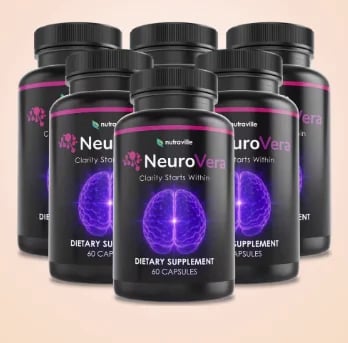
Enhance Your Cognitive Performance with NeuroVera

NeuroVera is like nothing you've ever tried before — based on a closely guarded formula designed to help support memory function. With its unique blend of extremely hard-to-source ingredients, NeuroVera helps potentially support memory function and overall brain health.

NeuroVera combines rare botanicals including Schisandra, Shilajit, and Lion's Mane Mushroom with proven nootropics like Bacopa and Ginkgo Biloba. This plant-based formula supports neurotrophin function, mental clarity, and healthy neural communication.

Lion's Mane Power Neurotrophin Support Detoxification Third-Party Tested

Key Ingredients

Schisandra Fruit Extract Gotu Kola Shilajit Extract Lion's Mane Bacopa Monnieri Ginkgo Biloba Phosphatidylserine
Discover NeuroVera Today

Affiliate link — we may earn a commission at no extra cost to you