Mental energy fatigue is that drained, foggy feeling where thinking feels heavy, decisions feel harder, and even simple tasks seem like a lot. In a world where 70% of people say long periods of digital activity leave them tired, drained, or exhausted, it's no surprise so many of us feel like our "brain battery" lives in the red.
Quick answers to the most common questions about mental energy fatigue
| Question | Quick Answer |
|---|---|
| What is mental energy fatigue? | A state of reduced mental sharpness, focus, and motivation where tasks feel harder than they should, often tied to sleep disruption, stress, digital overload, or health changes. |
| Can poor sleep cause mental energy fatigue? | Yes, disrupted or shallow sleep is one of the most common drivers. Guides like the Sleep Nootropic Stack guide focus on sleep quality as a pillar for next-day mental clarity. |
| Does caffeine help or hurt mental fatigue? | It can do both. Structured approaches like the Caffeine + L-Theanine UK guide aim for smoother alertness with fewer jitters or crashes. |
| Is brain fog after illness related to mental energy fatigue? | Many people describe post-viral brain fog as a form of mental energy fatigue. The post-COVID brain fog guide discusses pacing, sleep, and gentle support strategies. |
| Can food and natural compounds support mental energy? | Some people use food-based options like cocoa flavanols and blueberries, explored in the cocoa flavanols cognition guide, as part of a broader lifestyle approach. |
| Are there risks with "brain boosters"? | Any supplement can have side effects. The nootropic side effects overview highlights why careful dosing, monitoring, and professional input matter. |
| Where can I learn more about natural brain support? | HerbalNootropics Life's main site hosts guides on sleep, focus, nutrition, and natural nootropics that many people explore when dealing with fatigue. |
Mental energy fatigue is a state where your brain feels overworked and underpowered. You might notice:
Difficulty focusing on tasks you normally handle easily
More effort needed to make decisions or solve problems
A foggy, "slow" feeling even after resting
Normal workdays feeling unusually draining

Feeling "tired" after a long day is normal. Mental energy fatigue is different: your brain feels like it's pushing through mud, often from the moment you start your day, not just at the end of it. You might reread the same sentence multiple times or lose your train of thought mid-conversation.
Research on mental fatigue shows it doesn't just affect thoughts. A 2025 Frontiers in Psychology study reported that a 30‑minute demanding mental task led to a meaningful drop in physical endurance later on, showing how closely the brain and body are linked.
When mental resources are low, everything—from work to workouts—can feel heavier.
Most of us live in front of screens. Around 77% of people now spend more than five hours online every day, often switching between messages, tabs, and apps. Each tiny switch asks your brain to reset, reorient, and refocus, which can quietly sap mental energy throughout the day.
Digital fatigue isn't just about time online—it's about the type of attention you're using. Tasks that feel meaningful and focused can feel surprisingly energizing, while endless scrolling, half-attending meetings, or constant multitasking often end with that empty, wired-but-tired sensation.
Every tab switch = mental reset = energy drain
You can't talk about mental energy fatigue without talking about sleep. It's not just how long you sleep, but how consistent, deep, and well-timed that sleep is.
Fragmented, late-night, or "revenge bedtime scrolling" sleep can leave you technically rested but mentally flat.
Sleep Nootropic Stack GuideFocuses on gentle nutrients such as magnesium glycinate, L-theanine, and glycine, taken in a timing pattern designed to calm the nervous system before bed.
Supports a cooling, calming effect without sedation
May help a "busy" mind slow down at night
The Glycine Sleep Focus guide explains how some people use glycine in the evening to support a cooling, calming effect. Some users pair these with a caffeine cut-off strategy: stopping caffeine intake in the early afternoon to avoid sleep-disrupting spillover at night. Protecting sleep is one of the most straightforward ways to support next-day mental energy.
Caffeine is the world's most popular mental energy tool, but on its own it can bring jitters, anxiety, and a harsh crash that actually worsens fatigue later in the day. That's where the caffeine + L-theanine combination comes in for many people.
The Caffeine + L-Theanine UK guide highlights a common 2:1 ratio of L-theanine to caffeine, aiming for smoother alertness and less "wired" stimulation.
L-theanine—an amino acid found in tea—is often used for calm focus, so pairing it with caffeine can feel more like steady concentration than a spike of nervous energy.
Many people find that when they have caffeine matters as much as how much they have. Taking caffeine too late in the day can interfere with deep sleep, which then worsens mental energy the next morning.
Recommendation: Last caffeine dose 8–10 hours before bedtime
Nutritional approaches to mental energy focus less on a quick "kick" and more on supporting blood flow, antioxidant defenses, and brain health over time.
According to the Cocoa Flavanols Cognition guide, cocoa flavanols can support cerebral blood flow and are often discussed for their potential short-term effects (within 1–2 hours) and longer-term benefits when used consistently.
Combining cocoa flavanols with berries rich in anthocyanins is one food-first way people try to care for mental performance.
A single cocoa or berry-rich meal may bring noticeable short-term clarity or reduced perceived effort on tasks within 1-2 hours.
Daily use over weeks aims to buttress brain blood flow and resilience. This food-first approach supports mental energy with everyday meals.
Beyond food and basic nutrients, some people explore more targeted compounds when dealing with mental energy fatigue.
Alpha‑GPC is a choline source discussed in the Alpha‑GPC benefits guide. Choline is a building block for acetylcholine, a neurotransmitter involved in memory and attention.
People who use Alpha‑GPC often aim for sharper focus or smoother task switching during complex mental work.
Rhodiola is an adaptogenic herb widely discussed for stress-related fatigue. The Rhodiola Rosea guide notes its rosavins and salidroside compounds.
Users often describe Rhodiola not as a jolt but as support for staying mentally "online" when they'd usually feel overwhelmed.
Because responses can vary, many guides emphasize starting low, watching for sensitivity, and getting professional input before combining Rhodiola or Alpha-GPC with other approaches.
Mental energy fatigue sometimes shows up after illness, especially viral infections. Long‑COVID research has highlighted how lasting these effects can be: one study reported 60% fatigue and 60% brain fog among long‑COVID patients two to three years after infection.
The Post‑COVID Brain Fog guide talks about neuroinflammation, energy metabolism, and stress system disruption as possible factors.
Recovery strategies emphasize pacing (not pushing through), sleep protection, anti‑inflammatory nutrition, and gentle movement instead of heavy exercise.
For people dealing with post‑viral fatigue, high‑stimulation strategies can sometimes backfire. Instead, guides often highlight lower‑key options: calm-supportive compounds, breath‑focused movement, and very gradual activity increases.
This slower, more patient approach recognizes that mental energy fatigue tied to illness can reflect deeper recovery needs rather than a simple willpower or motivation problem.
Some people look beyond short‑term energy and instead focus on supporting long‑term brain health, hoping this will indirectly support mental energy over time. Lion's Mane mushroom is one of the best‑known examples.
The Lion's Mane mushroom powder page highlights a 30:1 extract and discusses potential support for nerve growth factor (NGF), memory, and mood balance. Rather than a "kick," Lion's Mane is more often part of slow, long‑term routines aimed at clearer thinking and cognitive resilience.
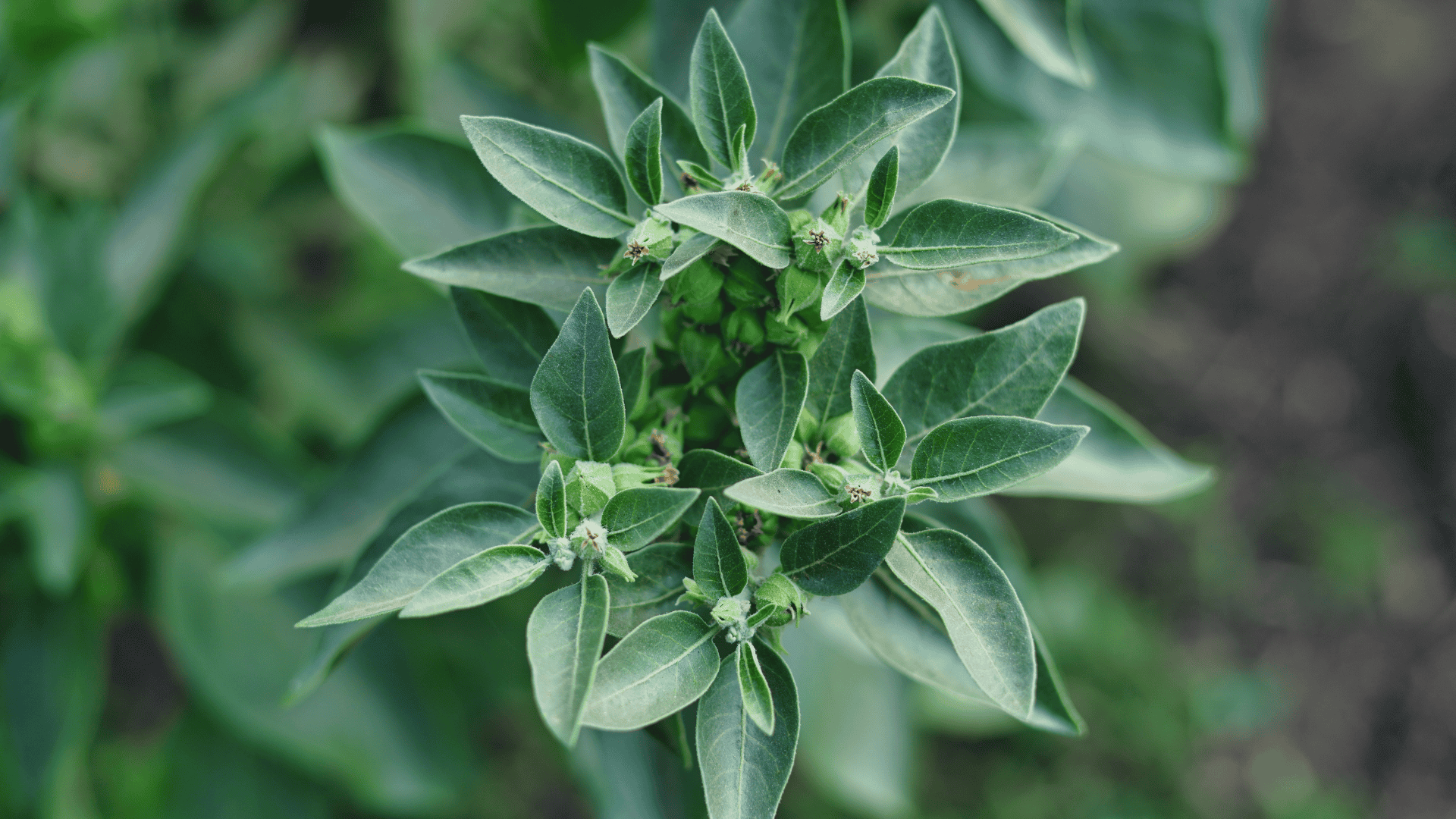
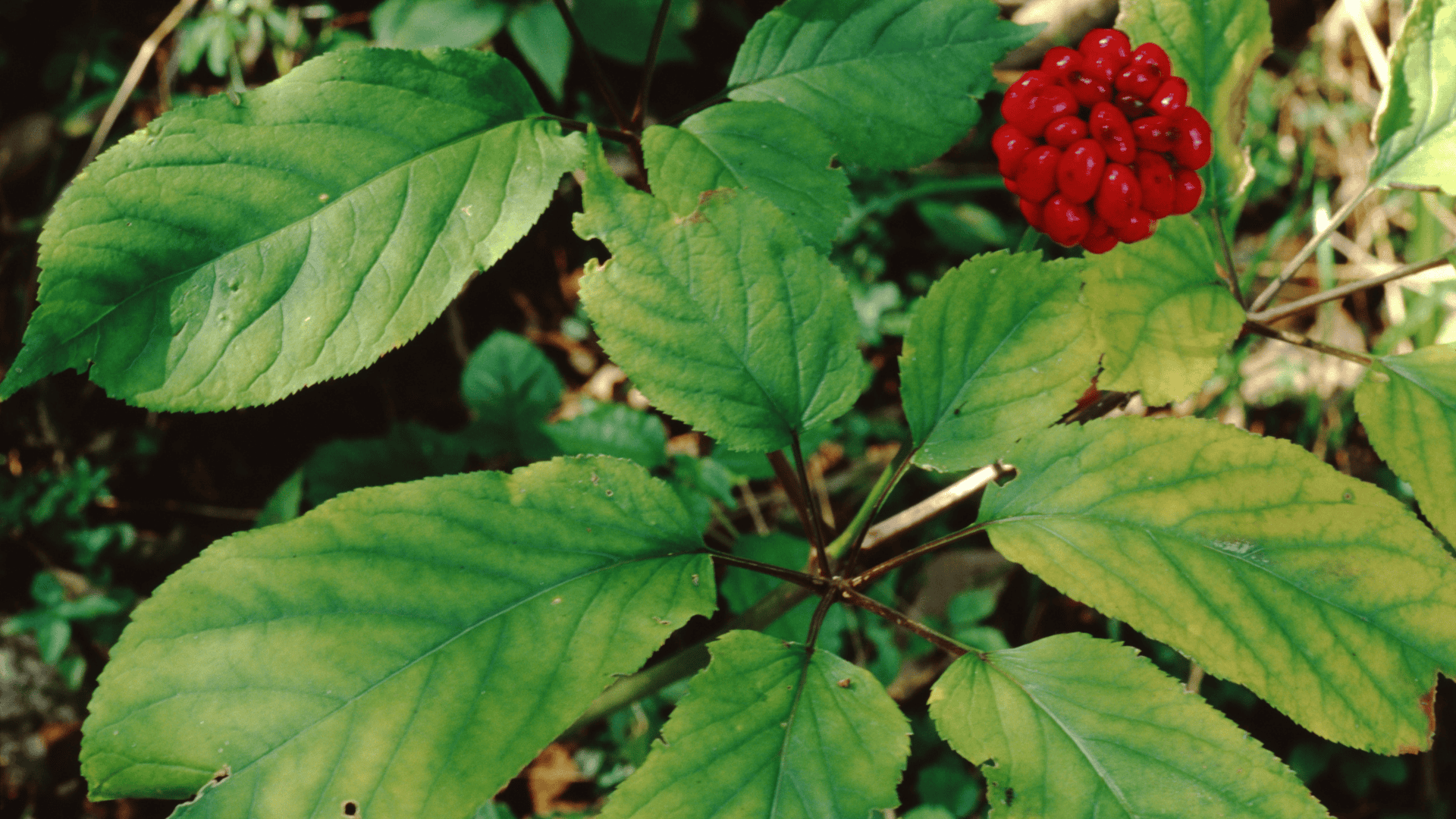
Adaptogenic herbs like ashwagandha, American ginseng, and eleuthero also appear in many fatigue discussions. A holistic article on adaptogens and fatigue explores how these plants are traditionally used to help the body handle stress more evenly.
None of these are guaranteed fixes, and responses can differ widely, but they form part of the wider toolbox people explore when dealing with ongoing mental energy fatigue.
Because mental energy fatigue is so uncomfortable, it's tempting to stack multiple compounds and push harder. That can create problems of its own.
Change one thing at a time so you can tell what's actually helping or not
Respect "off days" where you let your system rest from stimulatory tools
Watch for new or worsening symptoms and backing off if they appear
Talk with a qualified professional before mixing supplements with medications or existing health conditions
Headaches, palpitations, irritability, or a "burned out" feeling can be early hints that an approach is too stimulating or simply not right for you. Taking these signs seriously and easing back often protects your long‑term mental energy far better than pushing through.
Pacing—doing slightly less than your maximum capacity on purpose—is a recurring theme in fatigue recovery circles. It gives your brain a chance to rebuild, not just cope.
Some researchers now talk about cognitive endurance—your ability to keep thinking clearly over time—as a trainable capacity, a bit like stamina. A large study with schoolchildren found that training cognitive endurance reduced performance decline in demanding tasks by about 22%, hinting that the brain can learn to "stay online" longer when it's trained gradually.
That doesn't mean grinding yourself into the ground. It means structured, reasonable practice: focused blocks of meaningful work, broken up with real breaks, over weeks and months. Over time, many people notice mental tasks feel less draining when they're done in this intentional way.
Mental energy fatigue is increasingly common in a world of long screen hours, constant notifications, and chronic stress. It shows up as brain fog, difficulty concentrating, and a sense that thinking takes more effort than it should.
There's no one-size solution, but the themes are clear: protect your sleep, trim digital overload, lean on real food and meaningful routines, and approach supplements slowly and thoughtfully.
Most importantly, treat mental energy as something to be nurtured—patiently and consistently—rather than squeezed for every last drop.