Evidence-Based Cognitive Science

How Oxiracetam Really Works In Your Brain: Mechanisms, Metabolism, And Evidence Explained

Oxiracetam is often described as a "smart drug", but the reality is far more specific and measurable. In modern trials like LOCATE for traumatic brain injury, L‑oxiracetam improved standardized cognitive scores by almost 9 points over placebo at 90 days, a moderate effect that rivals some approved cognitive drugs. In this article, we explain how oxiracetam works from molecule to behavior, with a special focus on the S‑oxiracetam mechanism of action, oxiracetam brain metabolism, and what new research means for racemic oxiracetam vs R‑oxiracetam.

Key Takeaways

Question Answer
How does oxiracetam work in the brain? Oxiracetam modulates glutamatergic AMPA receptors, enhances cholinergic signaling, and supports mitochondrial energy production, which together improve learning and memory, particularly under cognitive stress.
What is the S‑oxiracetam mechanism of action? Preclinical work shows S‑oxiracetam normalizes ATP and key metabolites, boosts glutamate–glutamine cycling, raises antioxidants like glutathione, and stabilizes ion balance under chronic cerebral hypoperfusion, making it the pharmacologically active enantiomer.
Oxiracetam vs R‑oxiracetam: which is active? In rat models of vascular dementia, only S‑oxiracetam improved spatial memory, cerebral blood flow, and white matter integrity, while R‑oxiracetam showed no significant benefit, suggesting future products may favor the S‑form.
Does oxiracetam change brain energy metabolism? Yes, oxiracetam brain metabolism data show increased ATP and more efficient oxidative phosphorylation, along with improved glucose handling in ischemic tissue, which supports neurons during high demand.
Where can I see a detailed oxiracetam guide? We break down human dosing ranges, study summaries, and safety in our dedicated guide at Oxiracetam cognitive enhancement guide.
Is oxiracetam effective in healthy people? Trials suggest the largest effects appear in people with cognitive impairment or under significant cognitive load, although some studies show faster processing and better memory recall in stressed but otherwise healthy adults.
How fast does oxiracetam work after oral dosing? With around 75% oral bioavailability and peak levels in 1 to 3 hours, many users report noticeable effects within a few hours of dosing, especially when used consistently.

Table of Contents

Article Summary

This comprehensive guide explains oxiracetam's mechanism of action through AMPA receptor modulation, cholinergic enhancement, and metabolic support. Learn about S-oxiracetam vs R-oxiracetam differences, brain metabolism effects, clinical trial results, and evidence-based dosing protocols for cognitive enhancement.

1. What Oxiracetam Is And Why Its Mechanism Matters

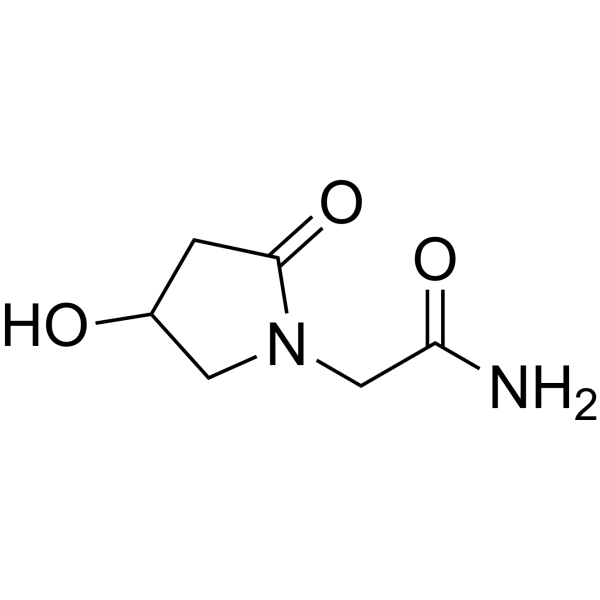
Oxiracetam is a synthetic derivative of piracetam, classed within the racetam family, and developed to provide stronger pro‑cognitive effects at moderate doses. It is typically used in doses between 800 and 2,400 mg per day in divided administrations, and has been studied in dementia, traumatic brain injury, and vascular cognitive impairment.

From our perspective, what makes oxiracetam interesting is not just anecdotes, but the convergence of pharmacology, brain imaging, and behavioral data. When we look at how oxiracetam works, we see a drug that subtly reshapes excitatory and cholinergic signaling and improves energy handling in vulnerable brain regions, especially the hippocampus and cortex.

2. S‑Oxiracetam Mechanism Of Action: The Active Half Of The Molecule

Oxiracetam, as it is usually supplied, is a racemate, which means it contains two mirror‑image forms, S‑oxiracetam and R‑oxiracetam, in equal proportions. The 2017 Scientific Reports paper you referenced was a turning point, because it clearly identified S‑oxiracetam as the pharmacologically active enantiomer in a chronic cerebral hypoperfusion model of vascular dementia.

In that study, rats received either S‑oxiracetam or R‑oxiracetam after two‑vessel occlusion. Only S‑oxiracetam improved spatial learning in the Morris water maze, reduced neuronal and white matter damage, and increased cerebral blood flow. At the molecular level, S‑oxiracetam normalized 15 metabolites related to energy production, neurotransmission, antioxidant status, and ion homeostasis, while R‑oxiracetam did not.

3. Oxiracetam Brain Metabolism: Energy, Antioxidants, And Ion Balance

One of the clearest findings from the 2017 rat study is that S‑oxiracetam directly improves brain energy metabolism under ischemic stress. Within 2 days of chronic cerebral hypoperfusion, S‑oxiracetam elevated ATP, ADP, AMP, and GMP, while reducing the pathological accumulation of glucose and citric acid, a pattern consistent with restored oxidative phosphorylation rather than blocked mitochondria.

Alongside these energy changes, S‑oxiracetam raised key neurotransmitter‑related metabolites like glutamate, glutamine, aspartate, and N‑acetylaspartate. It also increased antioxidants, including glutathione, ascorbic acid, and taurine, and normalized sodium and potassium distributions. Together, this profile suggests that oxiracetam brain metabolism support is not limited to fuel delivery, but extends to redox balance and ionic stability, which are critical for synaptic firing.

Did You Know?
Early mechanistic work shows oxiracetam increases hippocampal acetylcholine utilization; repeated dosing at 100 mg/kg produced a 31% rise in high-affinity choline uptake, and a single 300 mg/kg dose increased it by 40% within 3 hours.
Premium Nootropic

Oxiracetam

Although its exact working mechanism remains unknown, Oxiracetam has been shown to:

  • Positively modulate AMPA-sensitive glutamate receptors in neurons [R]
  • Stimulate the release of acetylcholine in the brain [R]
  • Inhibit pre-programmed cell apoptosis (death) in neurons [R]
  • Stimulate the production of cellular energy, such as glucose [R]
  • Increases density of 1,4-dihydropyridine receptors in the cerebral cortex
Get Oxiracetam Now

Research-grade quality • Fast shipping • Secure checkout

4. Neurotransmitters: AMPA Modulation And Cholinergic Enhancement

Mechanistically, oxiracetam exerts two major neurotransmitter‑level effects that explain much of its cognitive profile. First, it modulates AMPA type glutamate receptors, similar in principle to some ampakines, which enhances synaptic plasticity and long term potentiation that underlies memory encoding. Second, it amplifies cholinergic function by increasing high‑affinity choline uptake and acetylcholine release in the hippocampus.

In hippocampal slice experiments, low micromolar oxiracetam gently increased the evoked release of both glutamate and acetylcholine, while higher concentrations lost this effect, which suggests an optimal concentration range for functional enhancement without overstimulation. When you combine more efficient glutamatergic signaling with stronger cholinergic tone, you create conditions where new information can be encoded more reliably and retrieved with less effort, particularly in damaged or metabolically stressed circuits.

5. Oxiracetam Vs R‑Oxiracetam: Why Enantiomers Matter

Understanding oxiracetam vs R‑oxiracetam starts with recognizing that receptor sites and transporters in the brain are three‑dimensional. S‑oxiracetam fits these molecular targets in a way that meaningfully alters metabolism and signaling, while R‑oxiracetam appears to be largely inactive in the vascular dementia model that used chronic cerebral hypoperfusion.

In practice, current racemic oxiracetam products deliver a 50:50 mix, so any effect you see clinically is driven predominantly by the S‑enantiomer. This explains why newer development efforts and trials, like LOCATE, focus specifically on L‑oxiracetam, which corresponds to the active S‑form, rather than continuing to test the racemic mix. For businesses and clinicians, this has implications for future product design, patent strategies, and how we interpret mixed historical data.

6. Human Pharmacokinetics: How Oxiracetam Moves Through The Body

To understand how oxiracetam works in real people, we also need to look at pharmacokinetics. Human data show absolute oral bioavailability of about 75 percent, with peak plasma concentrations 1 to 3 hours after ingestion. This aligns well with user reports that cognitive effects build over the first few hours after dosing and are more reliable with twice‑daily schedules.

Oxiracetam is water soluble, minimally protein bound, and crosses the blood brain barrier, which means that plasma levels reflect brain exposure reasonably well. The 2017 S‑oxiracetam study found that the S‑enantiomer has higher absorption and slower elimination than the racemate in animal models, which implies that pure S‑oxiracetam could deliver a more sustained central effect at equivalent or even lower doses compared with the racemic product.

7. Clinical Outcomes: From Dementia To Traumatic Brain Injury

From a clinical standpoint, oxiracetam's mechanism translates into measurable changes in several patient populations. A 1992 double‑blind dementia study with 58 completers reported significantly better quality of life and neuropsychological test scores in the oxiracetam group compared with placebo. Improvements were seen in controlled word associations and short story recall, tasks that depend heavily on hippocampal and frontal lobe function.

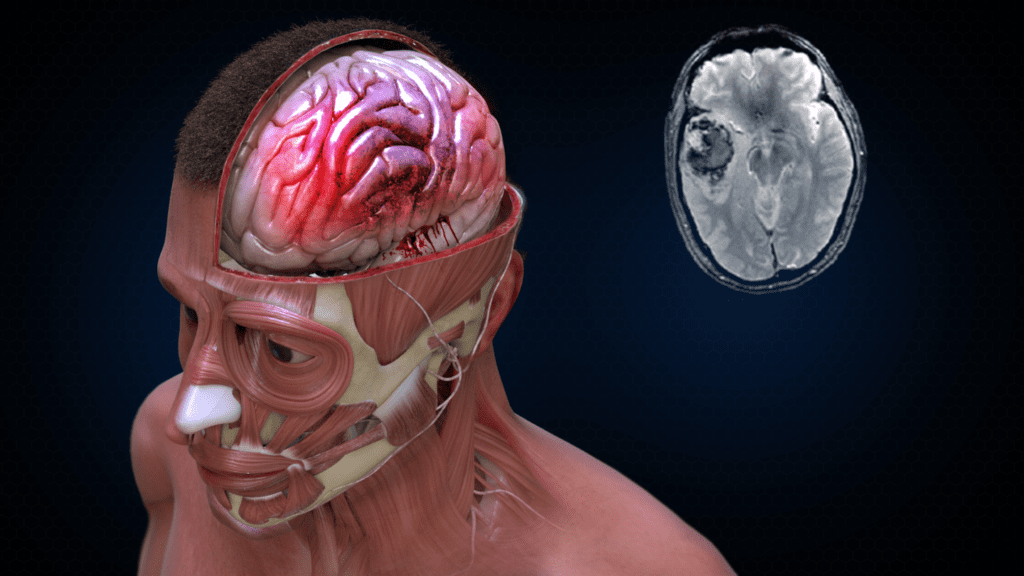
More recently, the LOCATE Phase 3 trial in traumatic brain injury compared L‑oxiracetam, racemic oxiracetam, and placebo in 590 participants. Cognitive recovery at 90 days, assessed by the Loewenstein Occupational Therapy Cognitive Assessment, favored L‑oxiracetam most strongly, with intermediate gains for the racemate and least improvement in the placebo group. This pattern fits the pharmacological picture that S‑oxiracetam, not R‑oxiracetam, carries most of the clinical effect.

Did You Know?
In the LOCATE traumatic brain injury trial, the least-squares change in LOTCA at 90 days was 20.45 for L-oxiracetam, 15.90 for racemic oxiracetam, and 11.47 for placebo, highlighting a clear gradient of benefit tied to the active S-enantiomer.

8. Why Some Trials Are Negative: Context For Mechanism And Expectations

Not every oxiracetam study shows clear benefits, and we consider that an important part of an honest mechanistic discussion. For example, a 2025 multicenter trial in post‑stroke cognitive impairment enrolled 500 participants but did not find statistically significant differences in MMSE or CDR‑SB between oxiracetam and placebo. The effect of improved metabolism and neurotransmission may not be sufficient on its own in certain chronic vascular or degenerative contexts, especially when rehabilitation intensity is low.

Exploratory analyses have suggested that higher physical and cognitive activity may interact with oxiracetam to produce better functional outcomes. Mechanistically, that makes sense, because racetams facilitate plasticity and synaptic change rather than forcing it in isolation. In practical terms, we advise viewing oxiracetam as a potential amplifier of training and rehabilitation efforts, rather than a standalone solution that overrides severe structural damage.

9. Safety, Psychoactivity, And Legal Context Of Oxiracetam's Action

Although oxiracetam clearly affects brain function, it is usually described as mildly psychoactive rather than intoxicating. Most clinical trials, including LOCATE, report serious adverse events similar to placebo, which supports the view that oxiracetam's mechanism is modulatory and metabolic rather than strongly dopaminergic or sedating. That aligns with user reports of cleaner focus, improved recall, and less fatigue, without strong euphoria or sedation.

Regulatory views differ by country. In some jurisdictions, racetams fall into prescription‑only or unlicensed medicine categories based on their pharmacological action, while in others they are treated more flexibly if marketed for research use only. From a mechanism standpoint, oxiracetam's enhancement of acetylcholine and glutamate means that stacking it with other stimulants or cholinergic agents should be done cautiously, especially in people with seizure risk or existing neurological disease.

10. Practical Implications: Dosing, Stacking, And Who Oxiracetam Is Best For

Mechanistic data and trial outcomes suggest oxiracetam is best suited for individuals with measurable cognitive strain or injury who also engage in rehabilitation or structured cognitive work. Typical clinical doses cluster between 1,600 and 2,400 mg daily, often split into two or three administrations to match its 1 to 3 hour absorption window and several hour half‑life. In preclinical S‑oxiracetam work, effective intravenous doses in rats ranged from 50 to 200 mg/kg, a range that cannot be directly translated to humans but illustrates a broad therapeutic window.

Because oxiracetam increases acetylcholine use, many users pair it with choline donors like alpha‑GPC or CDP‑choline, especially if they notice headaches or fogginess. Mechanistically, this is consistent with maintaining substrate availability for acetylcholine synthesis in the face of higher demand. We advise starting at the lower end of the dosing spectrum, monitoring for subjective and objective benefits, and considering medical supervision for those with neurological or cardiovascular conditions.

Related Nootropic Guides

Explore more evidence-based nootropic resources

Complete Guide

Oxiracetam Cognitive Enhancement Guide

Comprehensive dosing protocols, clinical research, safety profile, and practical stacking strategies.

Read Full Guide
Science

What Are Nootropics?

Understand the fundamentals of nootropic compounds, their classifications, and mechanisms of action.

Learn the Basics
Mechanism

Mechanism of Action Guide

Deep dive into pharmacological mechanisms: receptors, neurotransmitters, and cellular pathways.

Explore Pharmacology
Dosing

Nootropic Dosage Guide

Evidence-based dosing recommendations, timing protocols, and safety considerations for nootropics.

View Dosing Info
Lifestyle

Brain Health & Lifestyle

Optimize cognitive performance through diet, sleep, exercise, and lifestyle modifications.

Optimize Lifestyle
Racetams

Complete Racetam Family Guide

Compare piracetam, aniracetam, pramiracetam, and oxiracetam with clinical evidence and protocols.

Explore All Racetams

Conclusion

Oxiracetam works through a combination of AMPA receptor modulation, cholinergic enhancement, and support for brain energy metabolism, especially under conditions of hypoperfusion or injury. The S‑oxiracetam mechanism of action, with its normalization of metabolites, antioxidant reinforcement, and ion balance, explains why L‑oxiracetam products now show stronger outcomes than racemic formulations and why R‑oxiracetam adds little clinical value.

For our readers and clients, the key is to match these mechanisms to the right context. Oxiracetam is not a blanket solution for every cognitive complaint, but in the right individual, with appropriate dosing and supportive lifestyle or rehabilitation, it can meaningfully support memory, processing, and recovery. As the evidence base for S‑oxiracetam grows, we expect future formulations and guidelines to become more targeted, aligning pharmacology more precisely with real‑world cognitive needs.