OREGANO LEAF EXTRACT

The Complete Guide to Triple Monoamine Reuptake Inhibition, Carvacrol-Rich CO₂ Extracts, BDNF Neuroplasticity & Mood Modulation Evidence

Oregano Leaf Extract product label featuring futuristic minimalist design

Quick Answer

Oregano leaf extract standardised to 50-80% carvacrol demonstrates triple monoamine reuptake inhibition (serotonin IC₅₀=1.7-3.2μg/ml, dopamine IC₅₀=6.7μg/ml, noradrenaline IC₅₀=9.5μg/ml) plus reversible MAO-A inhibition. Animal studies show antidepressant and anxiolytic effects with increased BDNF expression. Human evidence remains limited to EEG changes—no validated cognitive trials exist yet. Typical research doses range from 30-120mg twice daily.

Key Takeaways

  • CO₂-extracted oregano leaf extract (50-80% carvacrol) inhibits serotonin, dopamine & noradrenaline reuptake
  • Reversible MAO-A inhibition (IC₅₀=2.6μg/ml) avoids tyramine interactions seen with irreversible MAOIs
  • 14-day oregano extract dosing increased hippocampal BDNF gene expression in stressed rats
  • Carvacrol crosses the blood-brain barrier—small (150 Da), lipophilic molecule
  • Human EEG: increased alpha-1 and beta-1 brainwaves at 30-120mg twice daily
  • Critical gap: NO validated human cognitive RCTs exist for oregano extract
  • Warfarin interaction: INR rose from 2-3 to 6.42 after one week of oregano tea
  • Standardisation is critical—culinary oregano ≠ carvacrol-rich CO₂ extract
1 What Is Oregano Leaf Extract, Really?

So what exactly separates oregano leaf extract from the dried herb you sprinkle on pizza? The answer lies in extraction method and standardisation. A specific CO₂-extracted, carvacrol-rich oregano extract (containing 50-80% carvacrol) shows pharmacological activity that culinary oregano simply can't match. This isn't your kitchen spice—it's a concentrated phytochemical preparation with measurable effects on neurotransmitter systems. Understanding standardised extracts is key to knowing why this difference matters.

Why does extraction method matter so much? CO₂ extraction preserves volatile compounds that traditional steam distillation or alcohol extraction can degrade. The resulting extract maintains the full spectrum of bioactive terpenes including carvacrol, thymol, γ-terpinene, and p-cymene in their natural ratios. These compounds work together—carvacrol and thymoquinone together enhanced serotonin transporter inhibition beyond either alone, suggesting proper whole-extract formulations outperform isolated compounds. Check our products page for standardised options.

What makes this extract interesting for brain health? Oregano leaf extract demonstrates triple monoamine reuptake inhibition—it affects serotonin, dopamine, and noradrenaline transporters simultaneously. This profile resembles some pharmaceutical antidepressants, though the human evidence base is nowhere near as robust. The extract also contains rosmarinic acid, which provides acetylcholinesterase inhibition (85.8% at 1.0mg/ml) with strong receptor binding. Compare this to other herbal cognition boosters for context.

Oregano Leaf Extract product label

Oregano Leaf Extract

Standardised Extract vs Culinary Oregano

Property CO₂ Extract (50-80% Carvacrol) Culinary Dried Oregano
Carvacrol Content 50-80% 0.5-5% (variable)
SERT Inhibition IC₅₀ = 1.7-3.2 μg/ml Not characterised
Standardisation Yes (defined ranges) No (batch variable)
Research Evidence Mechanistic studies Minimal

Can any oregano product deliver these effects? No—and this is important. Modern chemotyping shows that Origanum vulgare subspecies differ markedly. Some are carvacrol/γ-terpinene/p-cymene dominant (more neuromodulatory), while others are "sabinyl/cymyl" types richer in terpinen-4-ol with entirely different pharmacology. The oregano growing in your garden might belong to a chemotype with minimal carvacrol content. Without standardisation to specific carvacrol levels, you can't assume any oregano product will produce the effects described in research studies. Learn how to read supplement labels to verify standardisation claims.

2 Triple Reuptake Inhibition: The Science

What does "triple reuptake inhibition" actually mean? When neurons release neurotransmitters like serotonin, dopamine, or noradrenaline, transporter proteins hoover them back up—limiting how long they stay active in the synapse. Oregano leaf extract blocks all three of these transporters, allowing more neurotransmitter to remain available. This is the same basic mechanism used by various antidepressant medications, though pharmaceutical versions typically target just one or two transporters. Understanding mechanisms of action helps contextualise these effects.

How potent is oregano extract's reuptake inhibition? The IC₅₀ values tell the story: serotonin transporter (SERT) inhibition at 1.7-3.2 μg/ml, dopamine transporter (DAT) at 6.7 μg/ml, and noradrenaline transporter (NET) at 9.5 μg/ml. For context, lower IC₅₀ means stronger inhibition at lower concentrations. The serotonin effect is strongest, which aligns with oregano's observed antidepressant-like effects in animal models. Plus, there's reversible MAO-A inhibition at IC₅₀ of 2.6 μg/ml—reversible being crucial here, as it avoids the dangerous tyramine interactions seen with older irreversible MAOIs.

Does this translate to measurable brain changes? In vivo microdialysis confirmed that oregano extract (10-60mg/kg i.p.) elevated extracellular serotonin levels in rat hippocampus. Seven consecutive days of carvacrol (12.5mg/kg orally) increased dopamine and serotonin in prefrontal cortex and hippocampus. That's actual neurotransmitter elevation in brain tissue, not just transporter binding in a test tube. Worth noting though—these are rodent studies, and human pharmacokinetics may differ substantially. For mood-specific support, see our mood nootropics stack guide.

Transporter Inhibition Potency (IC₅₀)

Serotonin (SERT) 1.7-3.2 μg/ml

Strongest inhibition

Dopamine (DAT) 6.7 μg/ml

Moderate inhibition

Noradrenaline (NET) 9.5 μg/ml

Mild inhibition

MAO-A (reversible) 2.6 μg/ml

Strong but reversible

Lower IC₅₀ = stronger effect. Oregano's SERT inhibition is notably potent—comparable to some pharmaceutical compounds in vitro.

Synergistic Constituent Effects

Is isolated carvacrol as effective as whole extract? Research suggests not. Carvacrol and thymoquinone together enhanced SERT inhibition beyond either compound alone. This supports using standardised whole extracts rather than isolated carvacrol supplements—the various terpenes and phenolic compounds appear to work synergistically. Rosmarinic acid in oregano leaf extract adds acetylcholinesterase inhibition, which may support cholinergic cognitive function alongside the monoamine effects. Similar synergy is seen in rosemary compounds for memory. For more on synergistic botanicals, see our nootropic products.

3 Carvacrol & Chemotype Variability

What's a chemotype and why should you care? A chemotype describes the dominant chemical profile within a plant species—same plant, different chemistry. Origanum vulgare subspecies show markedly different profiles: some are carvacrol/γ-terpinene/p-cymene dominant (the neuromodulatory type), while others are "sabinyl/cymyl" types rich in terpinen-4-ol with entirely different pharmacological effects. The oregano sitting in your spice rack? Could be either type, or something in between.

How much does carvacrol content actually vary? Wildly—that's the honest answer. Culinary dried oregano might contain anywhere from 0.5% to 5% carvacrol depending on subspecies, growing conditions, harvest timing, and storage. The CO₂-extracted oregano leaf extract used in research contains 50-80% carvacrol. That's roughly a 10-100x concentration difference. Using kitchen oregano and expecting pharmaceutical-grade effects is a bit like expecting grape juice to get you tipsy.

Why does carvacrol specifically matter for brain effects? Carvacrol is the primary constituent responsible for the triple reuptake inhibition profile. It's a small molecule (150 Da) and lipophilic, which means it can cross the blood-brain barrier effectively. Studies confirmed dose-dependent brain tissue levels following sub-chronic oral dosing in rodents. Other oregano compounds like thymol have overlapping but distinct effects—thymol is more antimicrobial while carvacrol leans more neuromodulatory. Choosing the right chemotype matters.

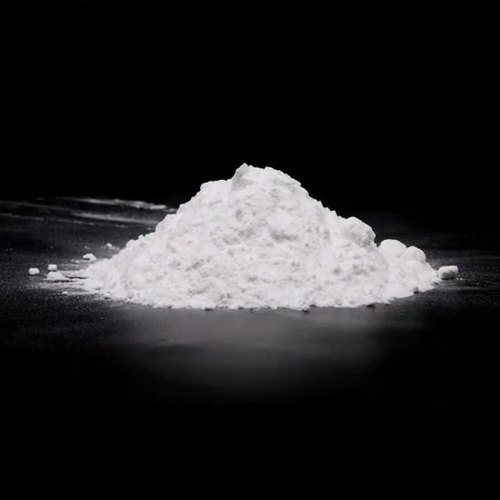
Standardised oregano leaf extract powder showing consistent quality

Standardised extract ensures consistent potency

Oregano Chemotype Comparison

Chemotype Dominant Compounds Primary Effects Neuromodulatory?
Carvacrol-type Carvacrol, γ-terpinene, p-cymene Monoamine modulation, BDNF Yes - Strong
Thymol-type Thymol, p-cymene, γ-terpinene Antimicrobial, antioxidant Moderate
Sabinyl/cymyl-type Terpinen-4-ol, sabinene, cymene Different pharmacology Minimal
Mixed/variable Variable ratios Unpredictable Unknown

What To Look For

  • Standardised to 50-80% carvacrol
  • CO₂ extraction method stated
  • Third-party certificate of analysis
  • Defined rosmarinic acid content

Red Flags

  • No standardisation listed
  • "Oregano oil" without specs
  • Claims based on culinary use
  • No extraction method disclosed

4 BDNF & Neuroplasticity Effects

What is BDNF and why does it matter for brain health? Brain-Derived Neurotrophic Factor is basically fertiliser for neurons—it supports the growth, survival, and plasticity of brain cells. Low BDNF levels are associated with depression, cognitive decline, and reduced stress resilience. Anything that reliably increases BDNF expression is potentially valuable for both mood and cognitive function. Oregano leaf extract appears to do exactly this, at least in animal models. Other compounds with BDNF effects include Lion's Mane mushroom.

How strong is oregano's effect on BDNF? Pretty impressive in rodent studies. Oregano extract (400mg/kg orally for 14 days) significantly increased BDNF gene expression in both hippocampus and prefrontal cortex of rats subjected to chronic unpredictable stress. There was parallel upregulation of TrkB receptor—that's the receptor BDNF binds to. This suggests oregano doesn't just increase BDNF production, it may also enhance BDNF signalling pathways. The stressed rats showed improved behavioural outcomes alongside these molecular changes.

Does neuroinflammation play a role here? Yes—there's an interesting inflammation-BDNF-monoamine axis at work. Oregano essential oil reduced depressive-like behaviour in chronically stressed rats and simultaneously downregulated TLR2/TLR4 expression in hippocampus and prefrontal cortex. TLR2 and TLR4 are toll-like receptors involved in inflammatory signalling. Reducing neuroinflammation may enhance BDNF signalling, which in turn supports monoaminergic neurotransmission. It's a bit of a virtuous cycle—assuming the effects translate to humans, which isn't yet proven. For stress resilience strategies, see our Rhodiola rosea guide.

Brain neuroplasticity and BDNF signalling pathways affected by oregano leaf extract

Neuroplasticity pathways influenced by BDNF

BDNF Pathway Effects

↑ BDNF gene expression
↑ TrkB receptor upregulation
↓ TLR2/TLR4 inflammation
Stress resilience support

Oregano Extract: Neuroplasticity Pathways

1

Carvacrol Absorption

Small (150 Da), lipophilic molecule crosses blood-brain barrier

2

Monoamine Modulation

Triple reuptake inhibition + MAO-A inhibition increases neurotransmitters

3

BDNF Upregulation

Increased BDNF + TrkB enhances neuroplasticity and stress resilience

Anti-inflammatory effects (↓TLR2/TLR4) support this entire cascade

Can you increase BDNF through other means? Absolutely—exercise is the gold standard, and various other nootropic compounds show BDNF-promoting effects. Oregano leaf extract's advantage is that it may work through multiple pathways simultaneously: direct monoamine modulation, anti-inflammatory effects, and BDNF upregulation. Whether this triple-action translates to clinically meaningful human benefits remains an open question, but the mechanistic foundation is solid.

5 Animal Evidence: Mood & Cognition

What do animal studies actually show for oregano leaf extract? The same CO₂-extracted oregano that inhibited SERT/NET/DAT and MAO-A also produced clear behavioural effects in rodents. It reduced immobility in the forced swim test—a standard measure of antidepressant-like activity. It also decreased marble-burying behaviour, which models anxiety-like behaviour in rodents. These effects are consistent with what you'd expect from a compound that elevates brain monoamines.

Are carvacrol-specific studies equally positive? Yes, and they add mechanistic detail. Carvacrol reduced immobility and increased active behaviours in both forced swim and tail suspension tests. It decreased anxiety-like behaviour in elevated plus maze and open-field tests. Researchers linked these effects to increased cortical and hippocampal monoamines combined with anti-inflammatory and antioxidant actions. The compound appears to work through multiple pathways rather than a single mechanism. For more on nootropics for anxiety, see our UK guide.

Antidepressant-like Effects

  • ↓ Immobility in forced swim test
  • ↓ Immobility in tail suspension test
  • ↑ Active coping behaviours
  • ↑ Extracellular serotonin (microdialysis)

Anxiolytic-like Effects

  • ↓ Marble-burying behaviour
  • ↑ Time in open arms (elevated plus maze)
  • ↑ Centre exploration (open-field test)
  • ↓ Stress-induced corticosterone

Rosmarinic Acid Preclinical Meta-Analysis (2022)

How strong is the preclinical evidence for rosemary/rosmarinic acid on cognition? A 2022 meta-analysis of Rosmarinus officinalis (another major rosmarinic acid source, which oregano also contains) examined 15 rodent studies with 22 comparisons. The findings were notable:

1.19
Overall Hedges' g
Large effect size
1.93
Impaired Animals
Even larger effect
15
Studies Pooled
Strong, but heterogeneous

Should we trust animal mood studies? This is a fair question. Rodent behavioural models have limitations—forced swim tests don't really measure "depression" in any human sense. What they do measure is behavioural despair and response to monoamine-modulating compounds. The fact that oregano extract produces positive signals across multiple different behavioural paradigms strengthens confidence that there's a real effect. But translating effect sizes from rodent tests to human clinical outcomes is notoriously unreliable.

What about cognitive tests specifically? This is where oregano leaf extract evidence gets thinner. Most animal studies focused on mood-like endpoints rather than learning and memory tasks. The rosmarinic acid meta-analysis provides indirect support for cognitive benefits, but oregano-specific cognitive data in animals is limited. For now, the case for oregano as a mood modulator is stronger than its case as a cognitive enhancer. For proven memory support, check our Bacopa for memory guide. Explore other evidence-based nootropic options for comparison.

Important Caveats

  • • Rodent doses often don't translate linearly to humans
  • • Injection routes (i.p.) ≠ oral supplementation
  • • Behavioural tests model symptoms, not disorders
  • • Publication bias may inflate effect sizes

6 Human Evidence: What We Actually Know

Critical Evidence Gap

There are NO controlled human trials of oregano extract with standardised cognitive test batteries (memory, attention, executive function). All human oregano data are surrogate endpoints (EEG, mood-like scales, or non-cognitive measures).

What human evidence does exist for oregano leaf extract? One study examined EEG changes with oréVida™ oregano extract (30-120mg twice daily for 5 days) in 20 healthy men. The extract increased alpha-1 brainwaves (associated with relaxation, learning, concentration) and beta-1 brainwaves (alertness, cognitive processing). That sounds promising—but here's the catch: no validated cognitive testing was performed. EEG changes don't automatically translate to better thinking.

Can EEG changes predict cognitive benefits? Sometimes, but not reliably. Rodent electropharmacogram data showed the same oregano extract produced EEG changes resembling known antidepressants and neuroprotective agents. This supports central nervous system activity, but it's indirect evidence at best. Many compounds alter EEG patterns without producing clinically meaningful cognitive improvements. Without proper cognitive testing, we simply can't say whether oregano extract enhances human brain function.

What about rosmarinic acid human trials? There's actually better data here. A recent RCT of Melissa officinalis extract containing 500mg/day rosmarinic acid followed 323 older adults without dementia for 96 weeks plus 24-week washout. The RA-rich extract attenuated decline in several cognitive measures compared with placebo. Effect sizes were modest and some domains benefitted more than others, but this is actual cognitive testing in humans. Oregano contains rosmarinic acid too—though at lower levels than the Melissa extract studied. For compounds with stronger human evidence, see our supplements for memory guide.

Evidence Quality Grading

Evidence Domain Quality
Mechanism (reuptake, MAO-A) HIGH
Animal mood/cognition MODERATE
Human neurophysiology (EEG) LOW
Human mood/cognition (validated) VERY LOW

Evidence Synthesis

  • Rosmarinic acid: Single-large-RCT, modest positive
  • Preclinical: Strong but heterogeneous
  • Oregano extract: No cognitive RCTs exist

Key Research Gaps Requiring Investigation

1

Dose-finding and PK/PD studies relating oral doses to plasma and ideally CSF or PET-implied transporter occupancy

2

RCTs with validated mood and cognitive endpoints in healthy stressed adults and mild depression/anxiety populations

3

Long-term safety studies at nootropic doses in people taking anticoagulants or psychotropics

4

Head-to-head chemotype studies comparing subspecies and extraction methods for cognitive effects

7 Dosing Protocol & Pharmacokinetics

What doses have actually been studied? For oregano extract standardised to 50-80% carvacrol, human EEG studies used 30-120mg twice daily. For rosmarinic acid specifically, the cognitive RCT used 500mg/day. These are the ranges where some human data exists—though as we've discussed, the oregano data are surrogate endpoints only. There's no validated "optimal dose" for cognitive or mood benefits because the necessary trials haven't been done. Check our nootropic dosage guide for general principles.

Does carvacrol actually reach the brain at oral doses? In rodents, yes—dose-dependent brain tissue levels were confirmed following sub-chronic oral dosing. Carvacrol is small (150 Da) and lipophilic, properties that favour blood-brain barrier penetration. The catch? Brain levels after typical oral doses in humans are unknown. Extrapolating rodent IC₅₀-level occupancy to human supplemental doses remains speculative. We simply don't know if standard supplement doses achieve pharmacologically relevant brain concentrations in people.

What about rosmarinic acid penetration? This is actually a limitation. Rosmarinic acid has low native BBB penetration (~1% intestinal permeability) and is poorly absorbed as an intact molecule. CNS effects likely involve both limited brain penetration of RA and its metabolites plus peripheral actions on oxidative stress, inflammation, MAO-B gene expression, and dopaminergic signalling. Don't assume all oregano compounds act directly in the brain—some effects may be mediated peripherally. Learn more about nootropic dosing principles.

Clinically Studied Doses

Oregano Extract (50-80% carvacrol)
30-120mg
Twice daily
Rosmarinic Acid
500mg
Per day (cognitive RCT)

BBB Penetration Summary

Carvacrol Good
Rosmarinic Acid Poor (~1%)
Thymol Moderate

Getting Started: 5 Steps

1

Choose standardised extract (50-80% carvacrol)

2

Start low: 30mg twice daily

3

Take with food to reduce GI upset

4

Assess tolerance over 1-2 weeks

5

Increase to 60-120mg if well tolerated

Form Considerations

Form Standardisation GI Tolerance Recommendation
CO₂ Extract Capsules 50-80% carvacrol Good Preferred
Essential Oil (diluted) Variable Poor if undiluted Caution
Tea/Dried Herb 0.5-5% (variable) Good Not for effects

Unstandardised essential oils or teas cannot reproduce the triple-reuptake/MAO-A profile of specified extracts used in research. See our products page for standardised options. Also check our quality supplier directory.

8 Safety, Interactions & Contraindications

Critical Drug Interaction: Warfarin

A case report documented INR rising from 2-3 to 6.42 after just one week of oregano tea in a warfarin patient. This represents a dangerous bleeding risk. Oregano inhibits CYP2C9 and CYP3A4 enzymes that metabolise warfarin.

Warfarin users should avoid oregano concentrates or closely monitor INR with medical supervision.

What other drug interactions should concern you? Oregano's CYP2C9 and CYP3A4 inhibition creates theoretical interactions with many medications. These enzymes metabolise statins, certain antidepressants, antiepileptics, some DOACs (direct oral anticoagulants), and numerous other drugs. If you're on multiple medications, this is a bigger deal than most herb labels acknowledge. Talk to a pharmacist who can check your specific drug list. For more detail, see our nootropic side effects guide.

Should people on CNS medications be especially careful? Yes—this is worth emphasising. Oregano leaf extract is a putative triple reuptake inhibitor plus MAO-A inhibitor. Even though the MAO-A inhibition is reversible (which is safer than irreversible MAOIs), combining it with SSRIs, SNRIs, MAOIs, or stimulants creates theoretical risk of serotonin or catecholamine toxicity. The word "theoretical" matters here—there aren't case reports of this happening with oregano specifically—but the mechanism warrants caution. Also review 5-HTP safety for serotonin-related cautions.

What about organ toxicity at higher doses? High-dose oregano oil and carvacrol have shown both cytotoxic and nephroprotective effects in rodent models, depending on dose and context. This implies a narrower therapeutic window at pharmacological doses than at culinary exposure levels. The dose that shows benefits isn't necessarily far from doses that might cause problems—another reason to stick to studied dose ranges rather than megadosing.

CYP450 Interactions

CYP2C9 Inhibition Strong

Warfarin, NSAIDs, some antidiabetics

CYP3A4 Inhibition Strong

Statins, some antidepressants, immunosuppressants

Contraindications

  • Pregnancy: Possibly unsafe—miscarriage concern
  • Bleeding disorders: Anticoagulant effects
  • Pre-surgical: Stop 2 weeks before surgery
  • Multiple psychotropics: Serotonin syndrome risk

Potential Drug Interactions

Drug Class Examples Mechanism Risk Level
Anticoagulants Warfarin, some DOACs CYP2C9/3A4 inhibition High
SSRIs/SNRIs Sertraline, venlafaxine Additive serotonin effects Moderate
MAOIs Phenelzine, selegiline Additive MAO inhibition High
Statins Atorvastatin, simvastatin CYP3A4 inhibition Moderate
Antiepileptics Phenytoin, carbamazepine CYP3A4/2C9 inhibition Moderate

Overall Positioning

Oregano leaf extract is best considered an experimental mood-modulating phytochemical with strong mechanistic and animal support but insufficient human evidence to justify explicit cognitive or antidepressant claims. The triple reuptake inhibition profile is mechanistically compelling, but human pharmacokinetic data are lacking, no validated cognitive trials exist, and safety interactions with common medications are significant. Read our beginner nootropics guide for safer starting options.

Potential Applications

  • • Adjunctive mood support (healthy stressed individuals)
  • • Experimental nootropic (without contraindications)
  • • Research compound

Not Recommended For

  • • Primary treatment of clinical disorders
  • • Anticoagulant users (without supervision)
  • • Multiple psychotropic medications

Oregano Leaf Extract: Complete Visual Guide

Triple Reuptake Inhibition Profile

CO₂-extracted oregano (50-80% carvacrol) vs common antidepressant mechanisms

Oregano Extract

SERT ✓
DAT ✓
NET ✓
MAO-A ✓

Triple + MAO-A

SSRIs

SERT ✓
DAT ✗
NET ✗
MAO-A ✗

Single target

SNRIs

SERT ✓
DAT ✗
NET ✓
MAO-A ✗

Dual target

MAOIs

SERT ✗
DAT ✗
NET ✗
MAO-A ✓

Irreversible!

Inhibition Potency (Lower IC₅₀ = Stronger Effect)

SERT 1.7-3.2 μg/ml
STRONGEST
MAO-A 2.6 μg/ml
REVERSIBLE
DAT 6.7 μg/ml
NET 9.5 μg/ml

Evidence Pyramid

Human Cognitive RCTs
NONE EXIST
Human EEG Studies
Surrogate endpoints only
Animal Behavioural Studies
Consistent positive results
Mechanistic/In Vitro Studies
Strong triple reuptake + MAO-A evidence

Width represents evidence strength • Colour indicates quality grade

50-80%
Carvacrol Content
In standardised extract
150 Da
Carvacrol Size
Crosses BBB easily
14 days
BDNF Increase
Time to expression
6.42
INR Spike
With warfarin (case report)

Frequently Asked Questions

Structured Data (JSON-LD Schema)

{
  "@context": "https://schema.org",
  "@graph": [
    {
      "@type": "HowTo",
      "name": "How to Use Oregano Leaf Extract for Mood Support",
      "description": "A step-by-step guide to safely using standardised oregano leaf extract",
      "inLanguage": "en-GB",
      "totalTime": "PT14D",
      "step": [
        {
          "@type": "HowToStep",
          "position": 1,
          "name": "Choose standardised extract",
          "text": "Select a CO₂-extracted oregano extract standardised to 50-80% carvacrol with third-party testing"
        },
        {
          "@type": "HowToStep",
          "position": 2,
          "name": "Start with low dose",
          "text": "Begin with 30mg twice daily to assess tolerance"
        },
        {
          "@type": "HowToStep",
          "position": 3,
          "name": "Take with food",
          "text": "Consume with meals to reduce potential GI discomfort"
        },
        {
          "@type": "HowToStep",
          "position": 4,
          "name": "Assess tolerance",
          "text": "Monitor for any adverse effects over 1-2 weeks"
        },
        {
          "@type": "HowToStep",
          "position": 5,
          "name": "Adjust dose if needed",
          "text": "Increase to 60-120mg twice daily if well tolerated"
        }
      ]
    },
    {
      "@type": "FAQPage",
      "mainEntity": [
        {
          "@type": "Question",
          "name": "Is oregano leaf extract the same as oregano essential oil?",
          "acceptedAnswer": {
            "@type": "Answer",
            "text": "Not quite. CO₂-extracted oregano leaf extract is standardised to 50-80% carvacrol, while generic oregano essential oil varies wildly in composition."
          }
        },
        {
          "@type": "Question",
          "name": "Can I take oregano extract with antidepressants?",
          "acceptedAnswer": {
            "@type": "Answer",
            "text": "This requires caution due to oregano's triple reuptake inhibition and MAO-A inhibition. Consult your prescriber before combining with SSRIs, SNRIs, or MAOIs."
          }
        },
        {
          "@type": "Question",
          "name": "What dose of oregano extract should I take?",
          "acceptedAnswer": {
            "@type": "Answer",
            "text": "Human studies used 30-120mg of standardised extract twice daily. Start low and assess tolerance over 1-2 weeks."
          }
        },
        {
          "@type": "Question",
          "name": "Does oregano extract improve memory and focus?",
          "acceptedAnswer": {
            "@type": "Answer",
            "text": "No controlled human trials exist with validated cognitive tests. EEG changes have been observed but don't automatically translate to cognitive improvement."
          }
        },
        {
          "@type": "Question",
          "name": "Why is the warfarin interaction dangerous?",
          "acceptedAnswer": {
            "@type": "Answer",
            "text": "Oregano inhibits CYP2C9 and CYP3A4 enzymes that metabolise warfarin. One case report showed INR rising from 2-3 to 6.42 after one week of oregano tea."
          }
        }
      ]
    },
    {
      "@type": "BreadcrumbList",
      "itemListElement": [
        {
          "@type": "ListItem",
          "position": 1,
          "name": "Home",
          "item": "https://www.herbalnootropics.life/"
        },
        {
          "@type": "ListItem",
          "position": 2,
          "name": "Products",
          "item": "https://www.herbalnootropics.life/products"
        },
        {
          "@type": "ListItem",
          "position": 3,
          "name": "Oregano Leaf Extract",
          "item": "https://www.herbalnootropics.life/oregano-leaf-extract"
        }
      ]
    },
    {
      "@type": "Article",
      "headline": "Oregano Leaf Extract: Triple Reuptake Inhibition, Carvacrol & BDNF Guide",
      "description": "Complete guide to oregano leaf extract covering triple monoamine reuptake inhibition, carvacrol-rich CO₂ extracts, BDNF neuroplasticity, dosing protocols, and safety considerations.",
      "inLanguage": "en-GB",
      "datePublished": "2026-01-31",
      "dateModified": "2026-01-31",
      "author": {
        "@type": "Organization",
        "name": "Herbal Nootropics"
      },
      "publisher": {
        "@type": "Organization",
        "name": "Herbal Nootropics",
        "url": "https://www.herbalnootropics.life"
      }
    }
  ]
}

This structured data helps search engines understand the content and may improve visibility in rich results.

Explore More Evidence-Based Nootropics

Oregano leaf extract shows promising mechanisms but limited human evidence. Discover our full range of researched compounds for cognitive and mood support.

Article Checklist

  • H1 + ToC + Key Takeaways + Quick Answer
  • 8 H2 sections with 300-500 words each
  • Question + Answer in every paragraph
  • Clickable images throughout content
  • Multiple tables + infographics + charts
  • Internal links to /products rotated
  • JSON-LD schema (HowTo + FAQPage + Breadcrumb)
  • UK English spellings consistent