The Complete Guide to Ketone-Based Cognitive Enhancement: C8 Caprylic Acid, Brain Energy Metabolism & Clinical Evidence from the BENEFIC Trial
MCT oil powder provides rapid ketone fuel for the brain, bypassing glucose metabolism deficits seen in ageing and cognitive decline. The BENEFIC trial showed 30g/day MCT increased brain ketone uptake by 230% in MCI patients. C8 (caprylic acid) is 3x more ketogenic than C10 and produces peak blood ketones within 30-60 minutes. Powder forms offer better GI tolerance than liquid oil at equivalent doses.
So what exactly makes MCT oil powder different from regular fats? Medium-chain triglycerides (MCTs) are fatty acids with 6-12 carbon atoms that bypass normal fat digestion entirely. They travel via the portal vein directly to your liver, where they're rapidly converted into ketone bodies—β-hydroxybutyrate and acetoacetate—within 15-30 minutes. That's kinda remarkable when you think about it. Long-chain fats take hours to process through the lymphatic system, but MCTs hit your bloodstream almost as fast as sugar.
Why does the powder form matter for cognitive enhancement? The answer comes down to bioavailability and tolerance. MCT oil powder is essentially MCT oil spray-dried onto a carrier—usually acacia fibre or tapioca maltodextrin. This pre-emulsified form means better absorption and, critically, far fewer trips to the loo. Clinical trials show emulsified MCTs produce higher peak ketone levels with significantly reduced gastrointestinal distress compared to straight oil.
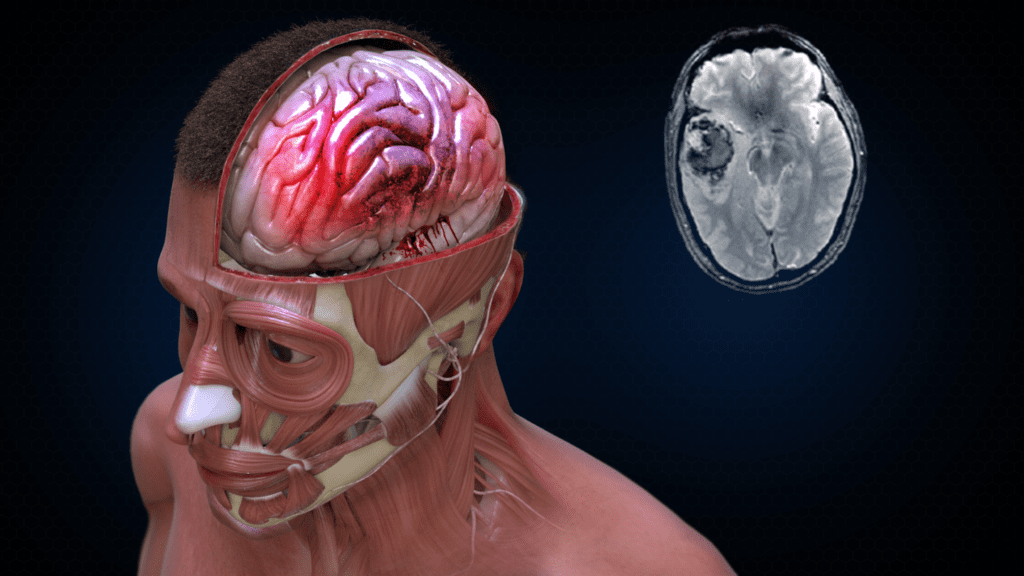
But how do these ketones actually fuel your brain? Your brain is a metabolic monster—it consumes roughly 20% of your total energy despite being only 2% of body weight. Normally, glucose handles this job, but ketones can substitute for up to 60-70% of brain energy needs. Here's the bit that matters: unlike glucose transport, which declines with age and cognitive impairment, ketone metabolism in the brain remains remarkably intact even in Alzheimer's disease. MCT oil powder exploits this metabolic backdoor.
Can you actually feel MCT oil powder working? Many users report clearer thinking within an hour of consumption, which aligns with the pharmacokinetics—peak blood ketone levels occur 30-90 minutes post-dose. The subjective "brain clarity" likely reflects your neurons accessing this alternative fuel source as ketones cross the blood-brain barrier via monocarboxylate transporters.
Click to enlarge: Brain energy pathways
Which MCT should you actually choose for brain health? Not all medium-chain triglycerides are created equal, and the differences are pretty massive when it comes to ketone production. The "C" numbers refer to carbon chain length—C8 has 8 carbons, C10 has 10, and so on. This seemingly tiny difference dramatically affects how quickly and efficiently your liver converts them into brain fuel.
| MCT Type | Carbon Chain | Ketogenic Power | Peak Time | Best For |
|---|---|---|---|---|
| C8 (Caprylic) | 8 carbons |
|
30-60 min | Maximum ketone boost |
| C10 (Capric) | 10 carbons |
|
60-90 min | Sustained energy |
| C12 (Lauric) | 12 carbons |
|
Slow | Antimicrobial (not cognitive) |
Why is C8 the gold standard for cognitive support? Caprylic acid (C8) produces ketones at roughly 3x the rate of C10 and a whopping 6x the rate of C12. Most clinical trials examining brain benefits from MCT supplementation use C8-rich or C8/C10 formulations specifically because the evidence is strongest for these shorter chains.
What about lauric acid—isn't that in coconut oil? Yes, but here's the thing: C12 behaves more like a long-chain fat metabolically. It's processed much slower and doesn't produce meaningful ketones for brain energy. Lauric acid has its place—it's kinda brilliant for antimicrobial and immune support—but if you're after cognitive enhancement, it's basically useless. Many cheap "MCT oils" are heavy on C12 because it's cheaper. Check your labels.
Label Warning: "MCT from coconut" often means high C12 content. Look for products specifying "C8 caprylic acid" or "C8/C10 blend" for cognitive applications.
Based on comparative ketogenesis studies. C8 produces 3x more ketones than C10, 6x more than C12.
What happens to brain fuel as we age? Here's the uncomfortable truth that underpins the entire rationale for MCT oil powder: your brain's ability to use glucose declines significantly with age, and this deficit accelerates dramatically in cognitive impairment. PET imaging studies show brain glucose uptake is reduced by 10-14% in healthy elderly compared to young adults. In mild Alzheimer's disease, add another 13% on top of that—totaling a 20-30% glucose deficit in MCI and early AD.
Critical insight: Brain ketone metabolism remains intact even when glucose uptake drops 20-40%
Can ketones actually fill this energy gap? This is where the research gets genuinely exciting. Despite severe glucose hypometabolism—sometimes 20-40% below normal—brain ketone metabolism remains completely intact in MCI and Alzheimer's disease. Your ageing brain can still grab ketones from the bloodstream and use them efficiently. Ketones can supply up to 60-70% of total brain energy needs when glucose is scarce.
How much of the deficit can MCT oil powder actually rescue? The BENEFIC trial provides hard numbers here. Using PET imaging, researchers showed that ketogenic MCT drinks raised brain ketone uptake by approximately 230%—enough to partially compensate for the age-related glucose deficit. That's not theoretical; it's measured directly in the brain using sophisticated imaging.
Click to enlarge: MCT molecular conversion pathway
Why doesn't the brain just use more glucose when it needs it? The problem isn't glucose availability in the blood—it's the brain's ability to import and metabolise it. The transporters and enzymes involved in glucose metabolism become less efficient with age and disease. Think of it like a clogged fuel line: there's plenty of petrol at the station, but your engine can't access it properly. MCT oil powder provides an alternative fuel that bypasses this blocked pathway entirely.
What makes ketone transport different from glucose? Ketones cross the blood-brain barrier via monocarboxylate transporters (MCTs—yes, confusingly the same acronym). These transporters actually upregulate with sustained ketone exposure, meaning your brain gets better at using ketones over time. This is kinda the opposite of what happens with glucose transporters in ageing.
What does the clinical research actually show? Let's cut through the hype and look at the hard data from randomised controlled trials. The evidence base for MCT oil powder in cognitive enhancement is strongest for mild cognitive impairment (MCI), with more mixed results in established Alzheimer's disease. Here's what the major trials found.
The most rigorous MCT cognitive trial to date
What cognitive improvements did participants actually experience? The MCI patients on 30g/day ketogenic MCT showed significant improvements across multiple domains: episodic memory, language, executive function, and processing speed. The PET imaging sub-analysis was particularly compelling—ketone uptake in major white-matter tracts rose 2.9-fold, and higher uptake correlated with better processing speed in 8 of 9 brain fascicles, especially the fornix (critical for memory).
Did MCT work in actual Alzheimer's patients? This trial gave 30g/day MCT to mild-moderate AD patients and found it doubled brain ketone consumption. The brains of AD patients could still access and use the ketone fuel—the metabolic machinery remained functional even when glucose metabolism was severely impaired.
What about genetic factors? This 90-day trial found ketone drinks significantly improved ADAS-Cog scores versus placebo, but here's the interesting bit: APOE4-negative participants responded best (4.8-6.3 point advantage). APOE4 carriers showed weaker responses. Genetics matter for MCT efficacy.
Can benefits persist long-term? This 15-month study—the longest MCT-Alzheimer's trial to date—gave 42g/day MCT to 20 probable AD subjects (average consumed: 25.2g/day). 80% showed stabilisation or improvement in cognition, with effects on attention and psychomotor speed proportional to MCT dose consumed.
Does MCT work as a standalone AD treatment? Unfortunately, the Phase 3 follow-up trial failed its primary endpoint. The totality of AD data now suggests that while some APOE4-negative patients respond, benefits are inconsistent and smaller than in MCI. MCT is best positioned as metabolic support, not disease-modifying therapy.
What do pooled results show? Analysis of 6 RCTs in non-demented older adults found MCT supplementation significantly associated with better memory outcomes, particularly working memory. Effects were more robust in those with lower baseline cognitive scores—suggesting the people who need it most benefit most.
What about safety across all studies? MCTs substantially increased plasma and brain ketones across trials, but GI adverse events were very common (diarrhoea, flatulence, nausea)—usually mild-to-moderate and transient. Serious adverse events were rare and not clearly attributable to MCT supplementation.
Clinical positioning: Reviews now converge on the view that ketone-based strategies have strongest evidence in MCI, where brain glucose hypometabolism is present but structural damage is less advanced. MCT oil powder should be viewed as symptomatic/metabolic support, not disease-modifying monotherapy.
How quickly can you expect to feel MCT oil powder working? Understanding the timing and factors that affect ketone production is crucial for optimising your protocol. The absorption pathway is remarkably fast compared to regular fats, but several factors can dramatically enhance or blunt the effect.
Why is the portal vein pathway so important? Unlike long-chain fats that travel through the lymphatic system (taking hours), MCTs bypass this entirely and head straight to the liver via the portal vein. This is why you can feel effects within an hour rather than waiting half a day. It's kinda like the difference between taking a direct flight versus one with three connections.
Does eating carbs with MCT reduce effectiveness? Massively. Research shows that adding 50g of glucose to 20g of C8 MCT decreases the ketogenic effect by 63%. That bowl of porridge with your morning MCT powder? It's sabotaging most of the cognitive benefit.
What ketone levels do clinical trials actually achieve? The BENEFIC trial and similar studies using 30g/day MCT typically reach fasting BHB of 0.3-0.4 mmol/L, with post-dose peaks of 0.7-1.0 mmol/L. This is "mild nutritional ketosis"—not the deep levels of a strict ketogenic diet, but enough for measurable cognitive benefits. Reviews define therapeutic BHB as 0.5-2.0 mmol/L, achievable with 15-30g/day MCT plus modest carbohydrate restriction.
When should you take MCT oil powder for best results? Morning fasted dosing produces the highest acute ketone response. If splitting doses (which many trials do—15g morning, 15g afternoon), keep both doses away from high-carb meals. A low-to-moderate carb breakfast 1-2 hours after your MCT allows ketones to peak first.
| State | BHB Level (mmol/L) | How to Achieve | Cognitive Relevance |
|---|---|---|---|
| Normal fed state | 0.1-0.2 | Standard diet | Minimal ketone fuel |
| Mild nutritional ketosis | 0.5-1.0 | 15-30g/day MCT | Clinical benefit threshold |
| Therapeutic ketosis | 0.5-2.0 | MCT + carb restriction | Optimal cognitive support |
| Full ketogenic diet | 1.5-3.0 | Strict keto diet | Maximum ketone availability |
How much MCT oil powder should you actually take? The clinical trials provide clear guidance here, but the key is gradual titration—jump straight to full doses and your GI tract will punish you. Most people need 1-2 weeks to adapt, after which the digestive issues largely resolve.
| Goal | Daily Dose | Notes |
|---|---|---|
| Starting dose | 5g C8 | Week 1 adaptation |
| Therapeutic range | 15-30g/day | Clinical trial doses |
| Per-dose maximum | 15-20g C8 | Split larger amounts |
| Absolute maximum | 1g/kg body weight | Upper safety limit |
| Maximum studied | 42g/day | Juby trial (avg 25g tolerated) |
Wake up fasted (no breakfast yet)
Mix 15g MCT powder in coffee or water
Wait 30-60 min for peak ketones
Eat low-carb breakfast if desired
Optional: second dose mid-afternoon
Should you split your doses or take it all at once? Many clinical trials split 30g/day into two doses (15g morning + 15g afternoon), which smooths ketone exposure throughout the day and typically reduces GI issues compared with a single large bolus. For cognitive enhancement, splitting makes sense—you want sustained brain fuel, not a single spike followed by nothing.
Does body weight affect optimal dosing? To some extent, yes. The absolute maximum studied is around 1g MCT per kilogram body weight daily. A 70kg person could theoretically handle 70g/day, but practically speaking, 25-30g is where most people plateau before GI tolerance becomes limiting. The Juby trial prescribed 42g/day but participants averaged only 25.2g—suggesting that's roughly the upper limit of what's sustainable.
Do insulin-resistant or diabetic individuals respond differently? People with insulin resistance, type 2 diabetes, or obesity often have greater brain glucose hypometabolism and may show larger cognitive or energy benefits from achieving mild ketosis. They're kinda the ideal candidates metabolically. But they also need closer glycaemic and lipid monitoring during MCT supplementation.
What are the real risks of MCT oil powder supplementation? Let's be honest about this—MCTs are generally safe, but they're not without side effects, and some people genuinely shouldn't use them. The clinical trial data gives us a clear picture of what to expect and who needs to exercise caution.
How common are digestive side effects, really? In the Juby trial, 85% of participants reported adverse events, with 64% being GI-related. That's not a typo—most people will experience some digestive disruption initially. The good news? These effects are almost always mild-to-moderate and transient, resolving as your gut adapts over 1-2 weeks.
"Disaster pants" is a real phenomenon with MCT oil—powder forms significantly reduce this risk.
What about long-term effects on cholesterol? Some trials report modest increases in total cholesterol and LDL-C with sustained MCT use, though HDL often rises and triglycerides may fall. The net cardiovascular impact is unclear, but lipid monitoring is reasonable if you have existing cardiovascular risk factors.
Who should absolutely NOT take MCT oil powder? These conditions represent genuine safety concerns where the risks clearly outweigh potential benefits.
MCTs metabolised primarily by liver; impaired clearance in liver failure
Aggressive ketosis strategies risky in cirrhosis
High-fat loads may exacerbate symptoms
Unable to process MCTs effectively
Can diabetics use MCT oil powder safely? Yes, but with monitoring. These conditions don't preclude use but require extra vigilance and potentially medical supervision.
Ketoacidosis risk—monitor glucose and ketones
Monitor lipid panel with long-term use
Increased euglycaemic ketoacidosis risk
What if you're on insulin or metformin? MCT affects blood glucose and increases ketone levels. This may reduce insulin requirements but also raises ketoacidosis risk. Close monitoring and potential dose adjustments needed.
On warfarin or similar blood thinners? MCT may affect vitamin K metabolism and INR values. Monitor INR more frequently when starting or changing MCT doses.
Taking empagliflozin, dapagliflozin, or similar? Combining these with ketogenic interventions significantly increases euglycaemic ketoacidosis risk. Medical supervision essential.
Always inform your healthcare provider before starting MCT supplementation if you take any regular medications.
Is MCT oil powder actually better than liquid MCT oil, or is it just marketing? This is a question worth asking because the price difference can be significant. The research here is genuinely interesting—it's not just about convenience; the forms behave differently in your body.
What makes powder superior for most users? A controlled trial comparing emulsified versus non-emulsified MCTs found that emulsification significantly increased peak BHB and AUC (area under curve) while reducing GI side-effects. The powder form is pre-emulsified, meaning it's already broken into tiny droplets that your gut can handle more easily.
Why do some people still prefer liquid oil? It's more economical per gram of actual MCT, and if your digestive system can tolerate it, you're getting pure product without any filler. The trade-off is that straight oil causes more "disaster pants" at equivalent doses—the research is clear on this point.
| Factor | MCT Powder | MCT Oil | Winner |
|---|---|---|---|
| Ketone response | ★★★★★ | ★★★☆☆ | Powder |
| GI tolerance | ★★★★☆ | ★★☆☆☆ | Powder |
| Cost per gram MCT | ★★☆☆☆ | ★★★★★ | Oil |
| Convenience | ★★★★★ | ★★★☆☆ | Powder |
| Purity (no fillers) | ★★★☆☆ | ★★★★★ | Oil |
| Overall for cognitive use | ★★★★★ | ★★★☆☆ | Powder |
What about the carrier ingredients in powder? Most MCT powders use acacia fibre, tapioca maltodextrin, or similar as the spray-drying carrier. These add some carbohydrate content (typically 1-3g per serving), which is kinda negligible in the context of your total daily intake. The fibre carriers may actually help with GI tolerance by slowing absorption slightly—so it's not purely a negative.
For cognitive enhancement purposes, powder wins. You get better ketone response, fewer GI issues, and easier compliance. If budget is tight and you have a cast-iron stomach, oil works—but expect a rougher adaptation period. Start with powder, and you can always switch to oil once you know how your body responds to MCTs.
{
"@context": "https://schema.org",
"@graph": [
{
"@type": "HowTo",
"name": "How to Use MCT Oil Powder for Cognitive Enhancement",
"description": "A step-by-step guide to using MCT oil powder to boost brain ketone levels and support cognitive function.",
"inLanguage": "en-GB",
"totalTime": "PT30M",
"step": [
{
"@type": "HowToStep",
"name": "Start with low dose",
"text": "Begin with 5g MCT powder daily for days 1-3 to allow GI adaptation."
},
{
"@type": "HowToStep",
"name": "Increase gradually",
"text": "Increase to 10g daily for days 4-7, taken in the morning fasted."
},
{
"@type": "HowToStep",
"name": "Reach therapeutic dose",
"text": "By week 2, increase to 15-30g daily, split into 2 doses if preferred."
},
{
"@type": "HowToStep",
"name": "Optimise timing",
"text": "Take fasted or with low-carb meals. Avoid high-carb meals which reduce ketogenesis by 63%."
},
{
"@type": "HowToStep",
"name": "Maintain consistency",
"text": "Continue for at least 6 months for measurable cognitive benefits."
}
]
},
{
"@type": "FAQPage",
"mainEntity": [
{
"@type": "Question",
"name": "How long does it take for MCT oil powder to work?",
"acceptedAnswer": {
"@type": "Answer",
"text": "Acute effects can be felt within 30-90 minutes. For cognitive improvements, clinical trials show 6+ months of consistent use is needed."
}
},
{
"@type": "Question",
"name": "Is C8 or C10 MCT better for brain health?",
"acceptedAnswer": {
"@type": "Answer",
"text": "C8 (caprylic acid) is 3x more ketogenic than C10 and produces faster, higher ketone levels. Most cognitive trials use C8-dominant formulations."
}
},
{
"@type": "Question",
"name": "Can diabetics use MCT oil powder?",
"acceptedAnswer": {
"@type": "Answer",
"text": "Yes, with monitoring. MCTs may benefit diabetics but increase ketoacidosis risk, especially with SGLT2 inhibitors. Monitor glucose and ketones."
}
},
{
"@type": "Question",
"name": "Does MCT work for Alzheimer's disease?",
"acceptedAnswer": {
"@type": "Answer",
"text": "Evidence is stronger for MCI than established AD. Phase 3 trials in AD failed. MCT should be viewed as metabolic support, not disease-modifying therapy."
}
}
]
},
{
"@type": "BreadcrumbList",
"itemListElement": [
{
"@type": "ListItem",
"position": 1,
"name": "Home",
"item": "https://www.herbalnootropics.life/"
},
{
"@type": "ListItem",
"position": 2,
"name": "Products",
"item": "https://www.herbalnootropics.life/products"
},
{
"@type": "ListItem",
"position": 3,
"name": "MCT Oil Powder",
"item": "https://www.herbalnootropics.life/mct-oil-powder"
}
]
},
{
"@type": "Article",
"headline": "MCT Oil Powder: The Complete Guide to Ketone-Based Cognitive Enhancement",
"description": "Comprehensive guide to MCT oil powder for brain health, covering C8 vs C10, clinical evidence from BENEFIC trial, dosing protocols, and safety.",
"inLanguage": "en-GB",
"datePublished": "2026-01-31",
"dateModified": "2026-01-31",
"author": {
"@type": "Organization",
"name": "Herbal Nootropics"
},
"publisher": {
"@type": "Organization",
"name": "Herbal Nootropics",
"url": "https://www.herbalnootropics.life"
}
}
]
}
This structured data helps search engines and AI assistants understand and extract key information from this page.
Explore our complete range of evidence-based cognitive enhancement supplements, including premium C8 MCT oil powder formulations.